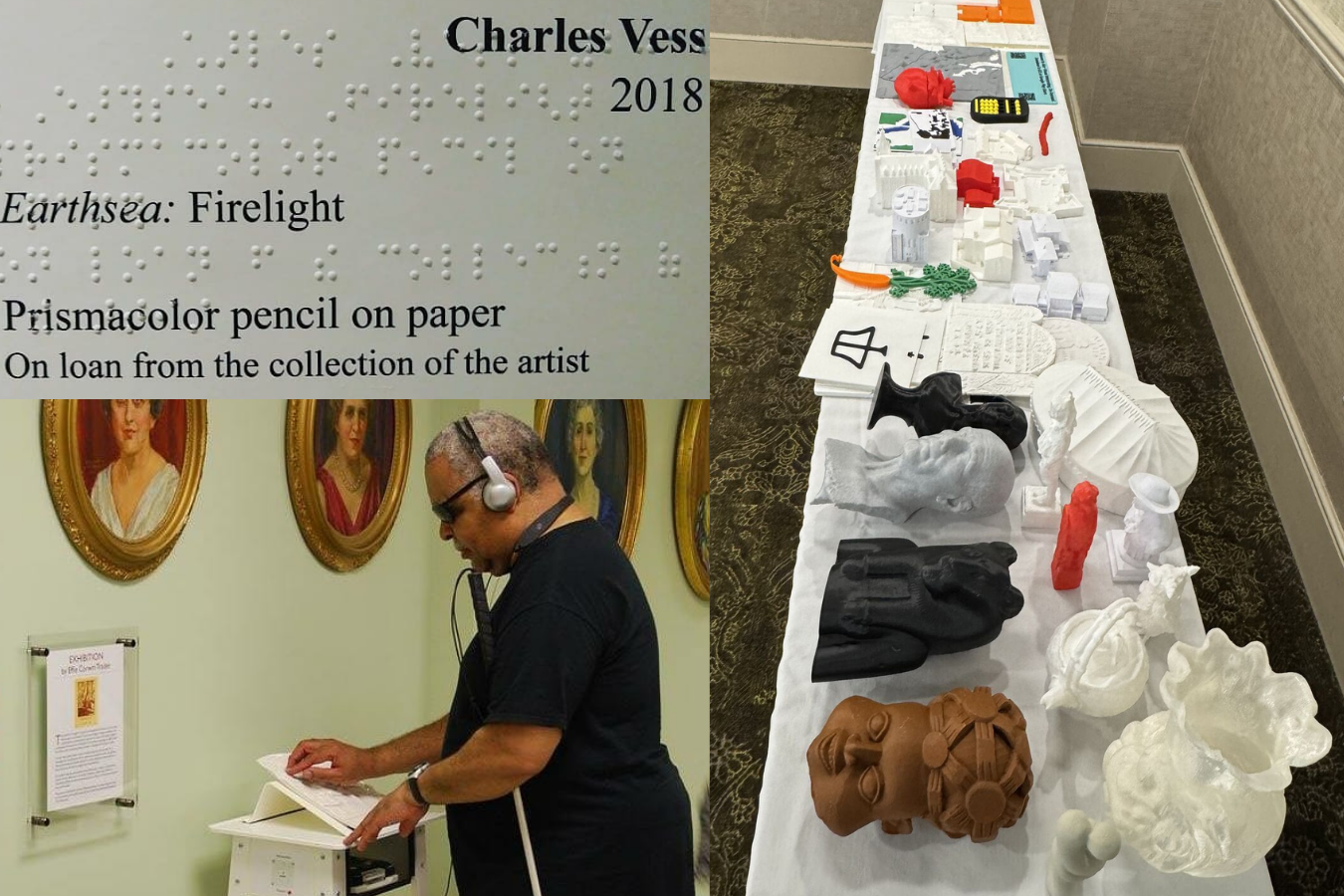
If you’ve ever interacted with Braille, odds are the touchable code system under your fingertips was made in Ohio.
Clovernook Center for the Blind and Visually Impaired is the world’s largest producer of Braille by volume. For over 120 years, it has printed Braille books for the Library of Congress, magazines, menus, and more.
For nearly a decade now, Clovernook has also worked to make the art world more accessible.
Samual Foulkes is Clovernook’s director of Braille production and accessible innovation. He says the nonprofit has worked with hundreds of art spaces across the U.S., from the Met and Carnegie Hall to local Cincinnati museums.
“It’s an interagency group of mostly people who are blind or low vision. We work with museums to prioritize what should be made accessible, and then we produce those things,” Foulkes says.
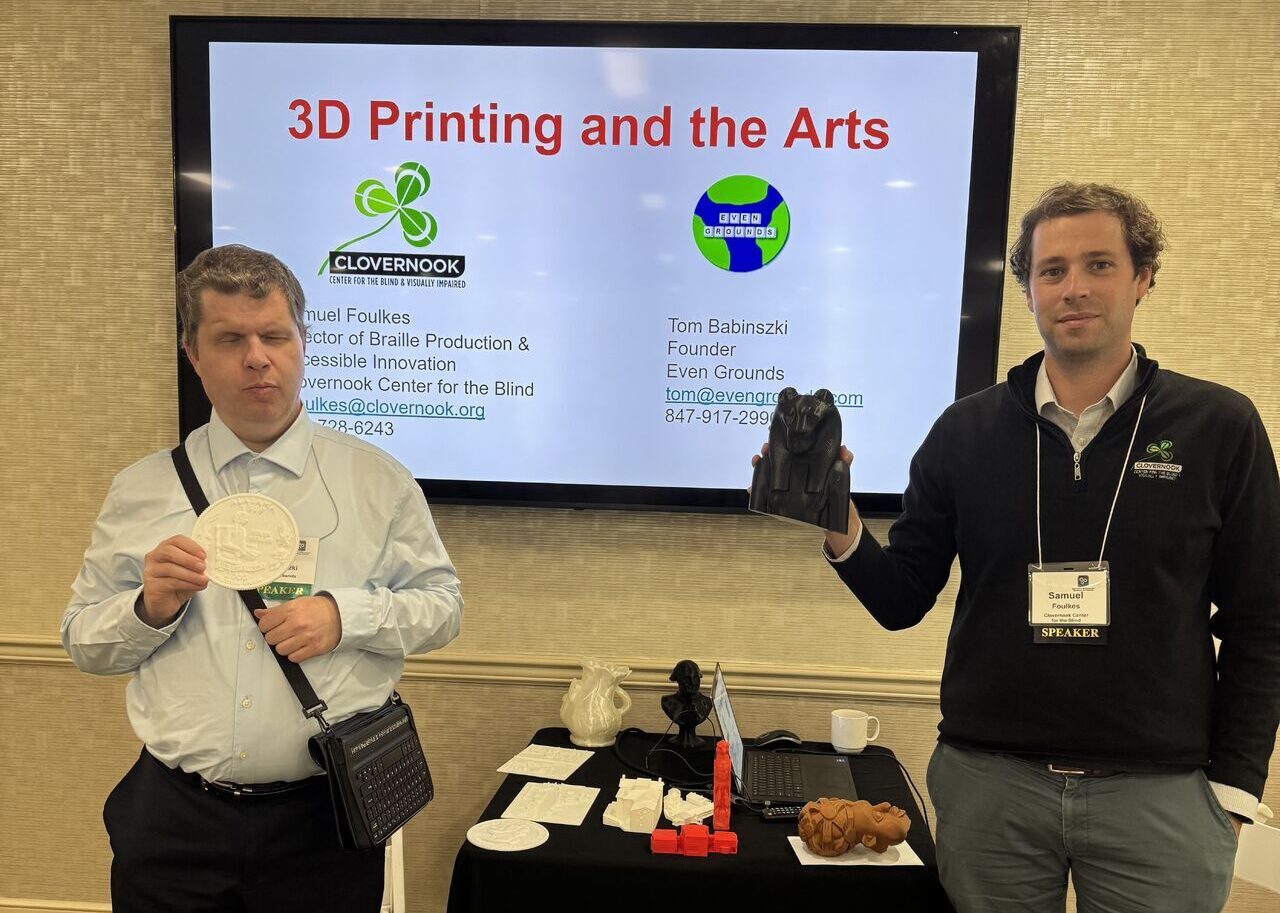
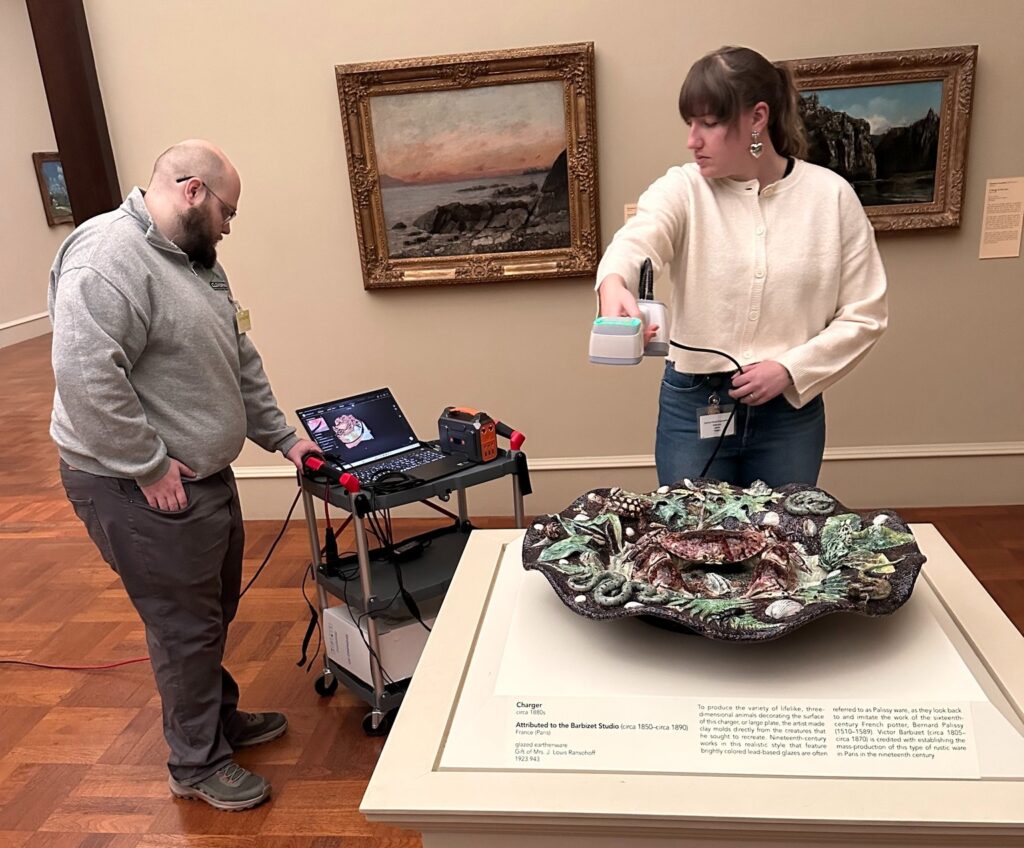
With grant funding, the team brings Braille, audio and touch tours, tactile graphics, 3D scans, and 3D printing into art spaces. That includes touchable replicas of opera performers or Braille stage programs. And in museums, goodbye to visual-only, 2D art behind glass.
“It seems to me that it’s often been a privilege and not a right for someone to be able to enjoy culture. And so for as long as museums have existed, they’ve traditionally been very exclusionary of people with disabilities,” Foulkes says.
Brian Anderson is Clovernook’s arts and advocacy content creator.
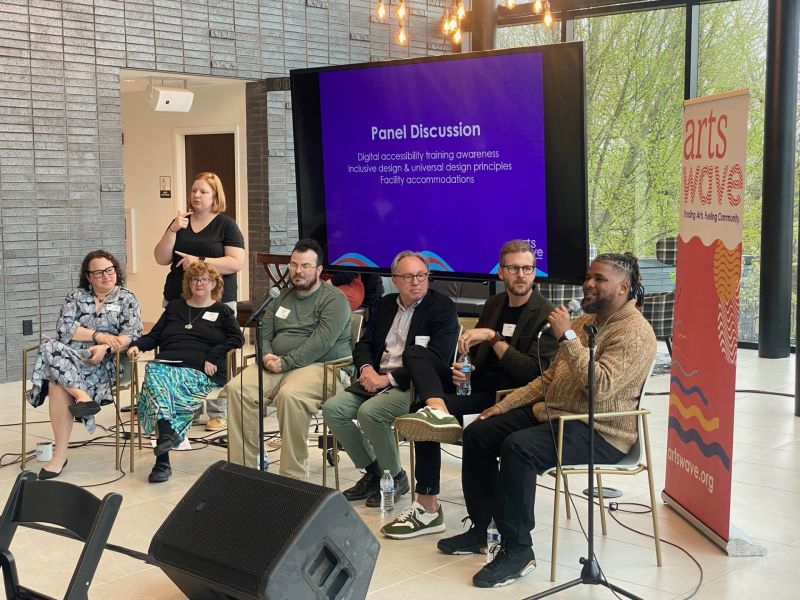
He helps audit museums’ accessibility for blind and low vision visitors and conducts patron surveys on new interactive art.
BRIAN ANDERSON, CLOVERNOOK CENTER FOR THE BLIND AND VISUALLY IMPAIRED“We all are artists in our own way. Everyone experiences things in a different way, even someone who may be sighted . . . And so I feel like as many ways as you can be diverse in how you offer art, or how you present art, I think that it provides a different perspective for someone to be able to experience it.”
“A staff member here who was born blind . . . said that he was discouraged from going to museums because it felt like a desert to him.” Anderson says, who was born with a visual disability. “(Diverse art portrayals) allow you to feel a part of something. Like, it allows you to feel included in what’s going on in this cultural space.”
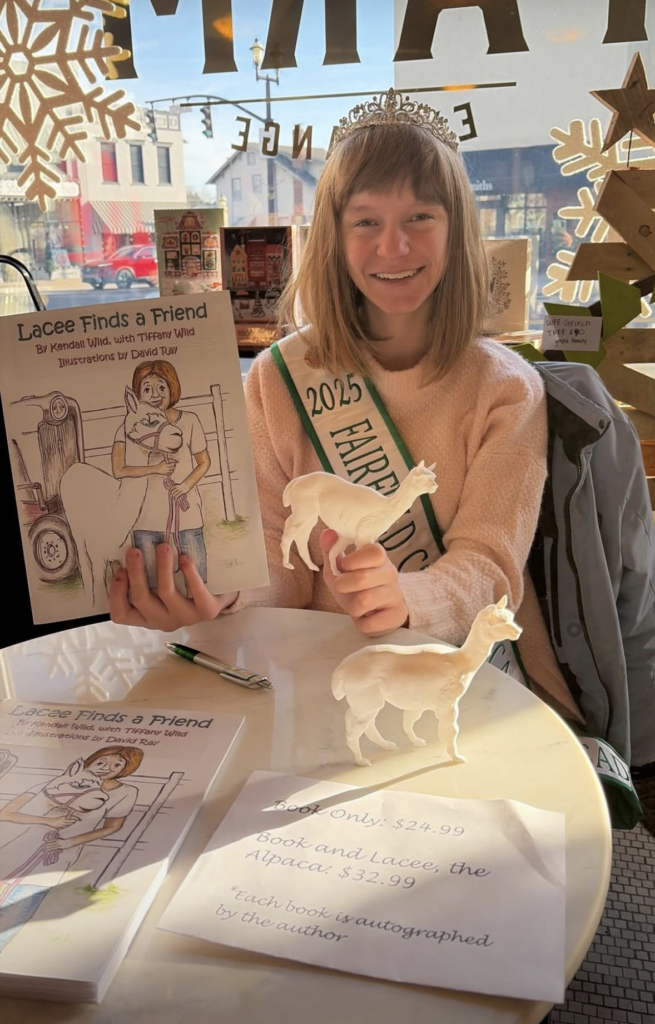
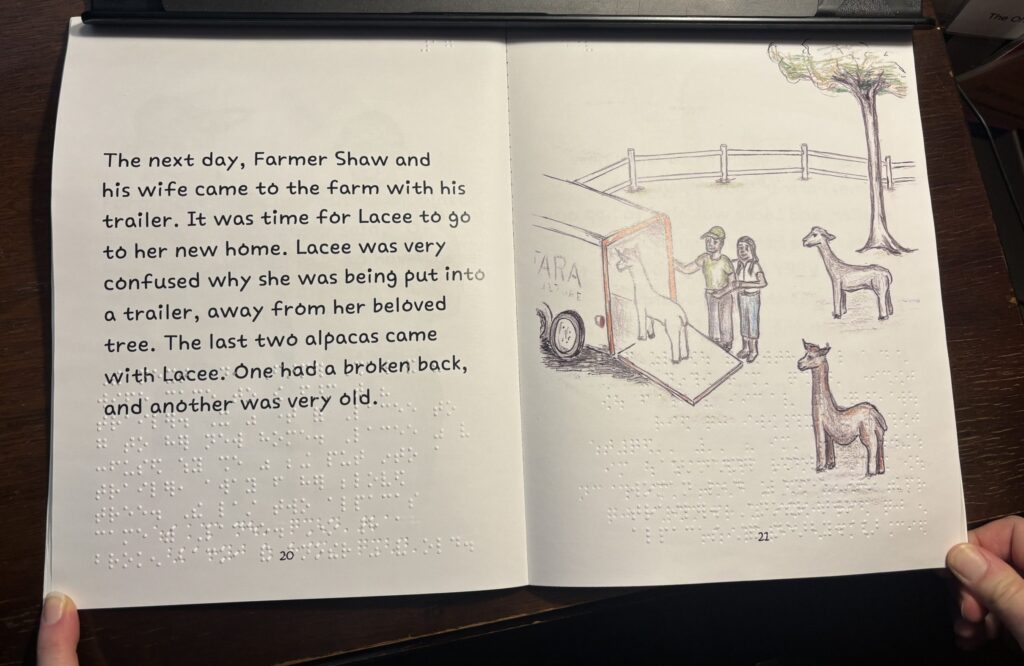
Clovernook also has a publishing arm, which prints Braille books that are accessible to multiple audiences.
First-time author Kendall Wild, a high school sophomore in Canal Winchester, Ohio, published Lacee Finds A Friend through Clovernook Press in November. It’s a semi-true story about Kendall’s alpaca, who is deaf and has low vision. The book includes large-print text, Braille, and a 3D-printed alpaca.
“I wanted my book to be accessible for everyone because I have disabilities, and I want everybody, no matter what, to be able to read the book,” the 16-year-old says.
Books in multimodal formats are a strong start in normalizing Braille, Foulkes says. Everybody benefits from art advocacy.
“Creativity is a core part of existence, right? It’s how we see the world reflected around us. It’s how we can try to understand the world and understand other perspectives,” Foulkes says.
“(Art is) intrinsically human.”