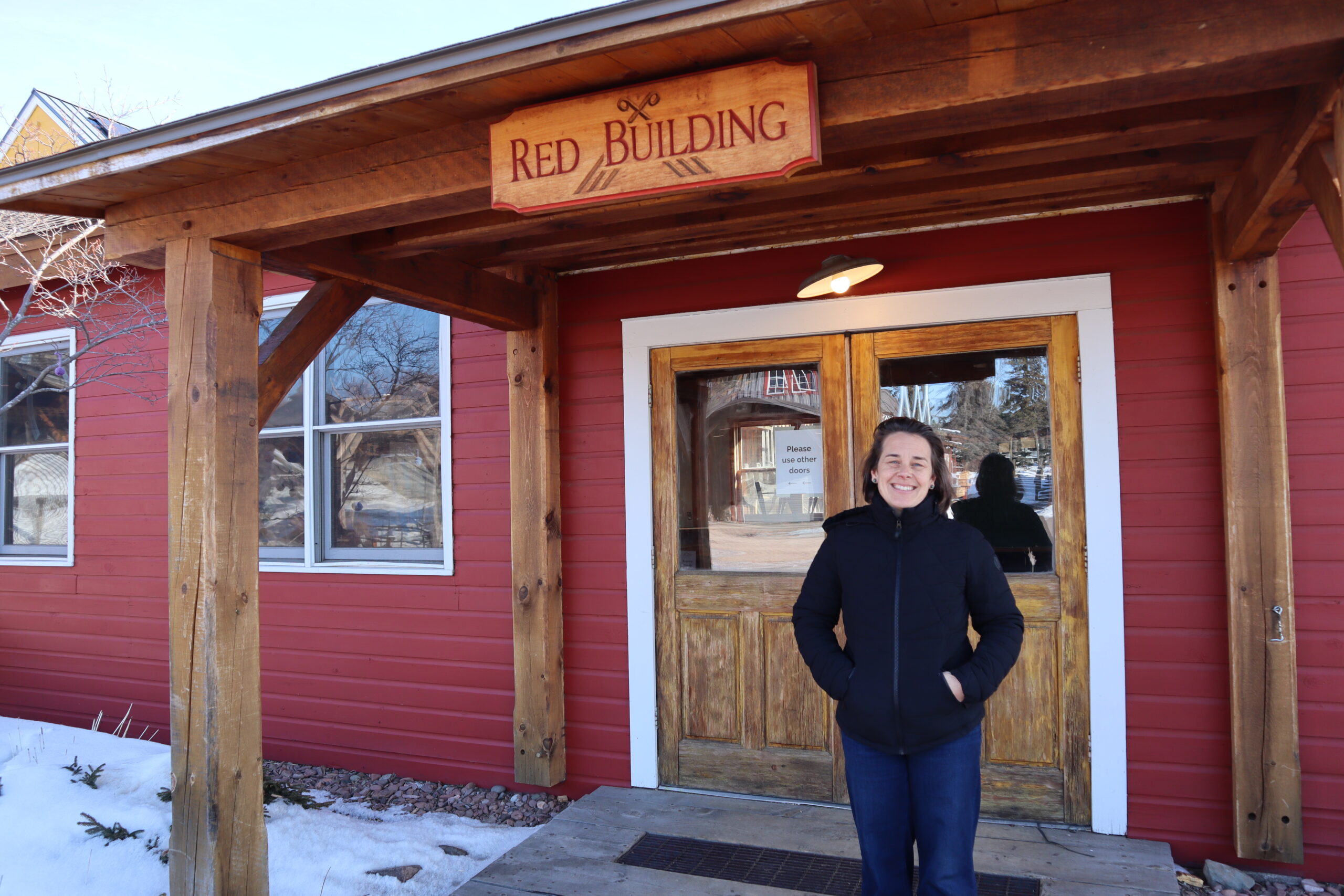
Birch, ash, cedar, spruce, and pine—these trees surround this campus, but they’re also transformed inside. It’s almost like magic, this arboreal cycle: Trees turn to boats and baskets, houses and tools.
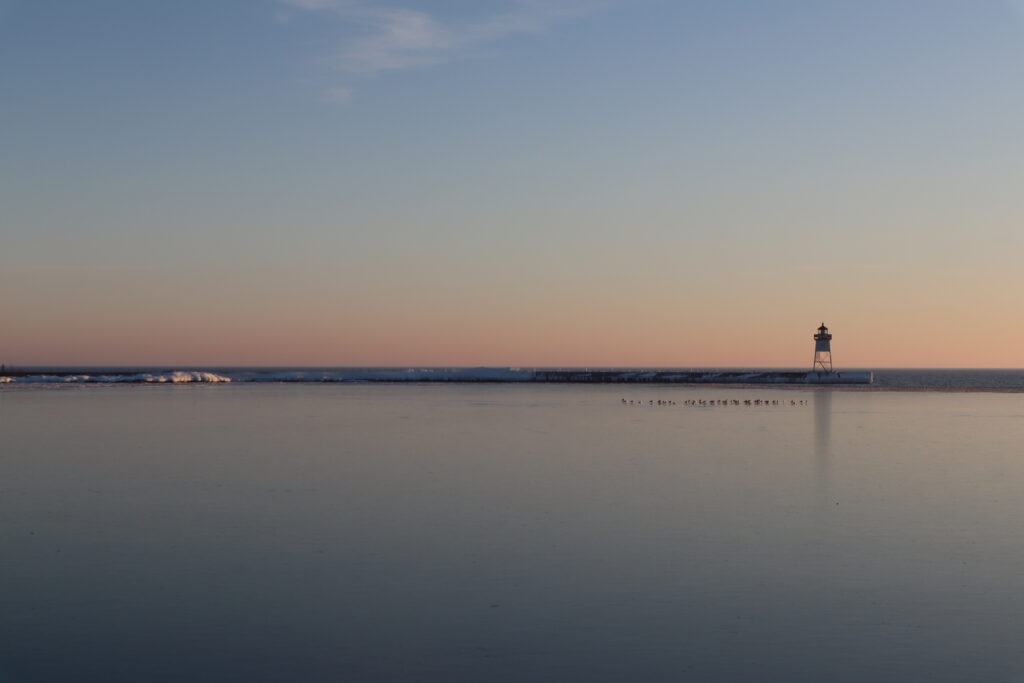
North House Folk School itself occupies a couple of old forest service buildings, its campus shaking hands with Lake Superior’s shores and a lively, small city. Driving north up the scenic route, you can’t enter Grand Marais, Minnesota, without driving through the school grounds.
“There’s lots of reasons people come to Cook County,” like outdoor recreation, says Program Director Jessa Frost. “But North House is a really year-round consistent part of what the draw is.”
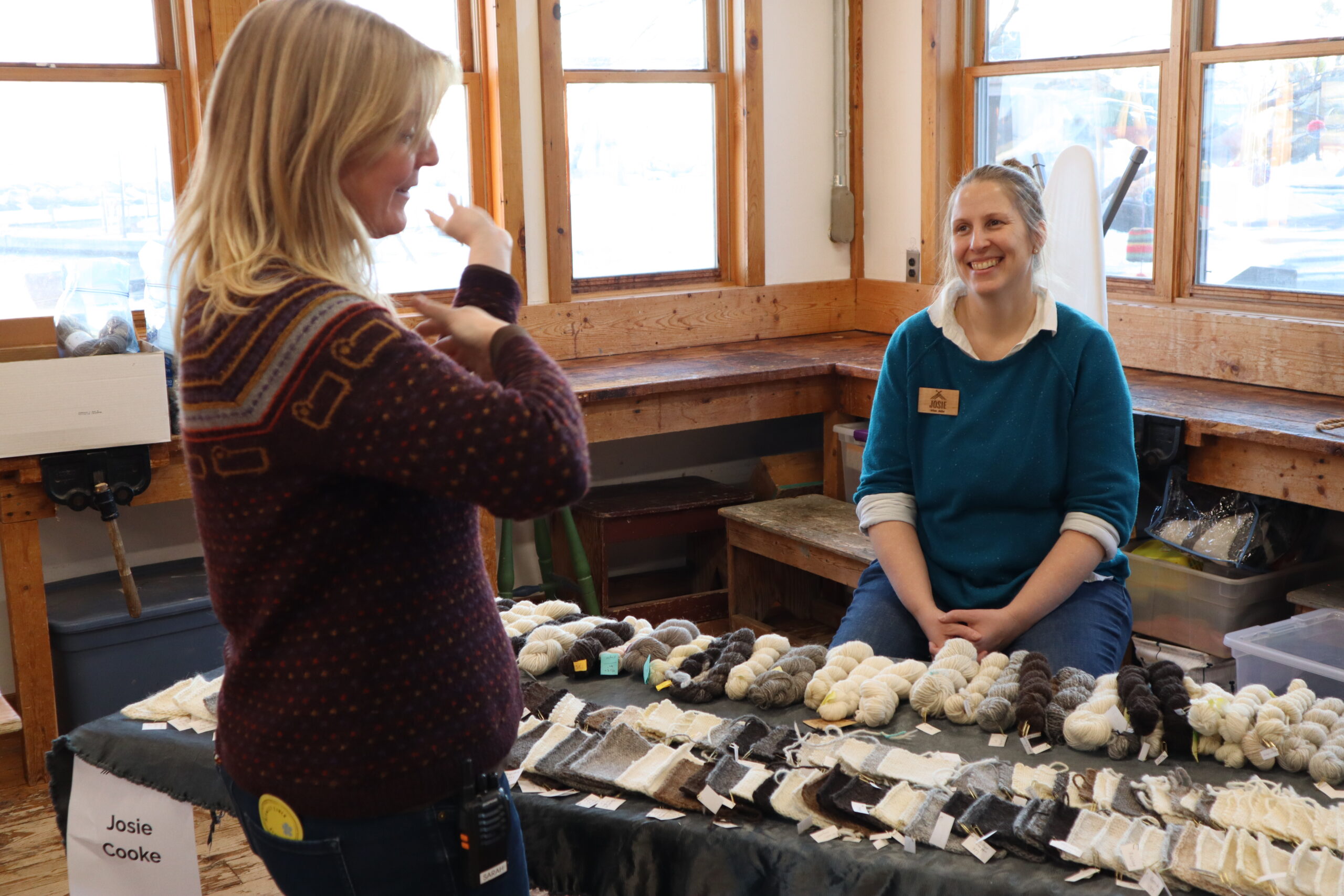
The school’s most recent financial study found it had a $14 million yearly impact on the local economy. That’s, in part, due to North House’s employees and instructors who live in the county—plus drawing a consistent (and hungry) crowd of students to local restaurants throughout the year, Frost says.
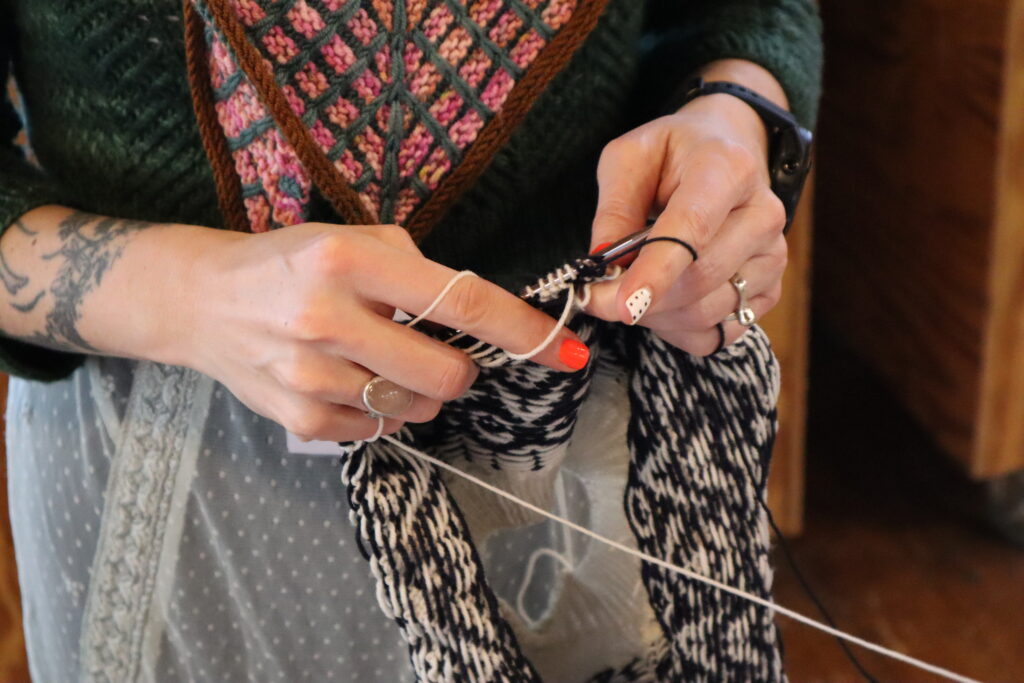
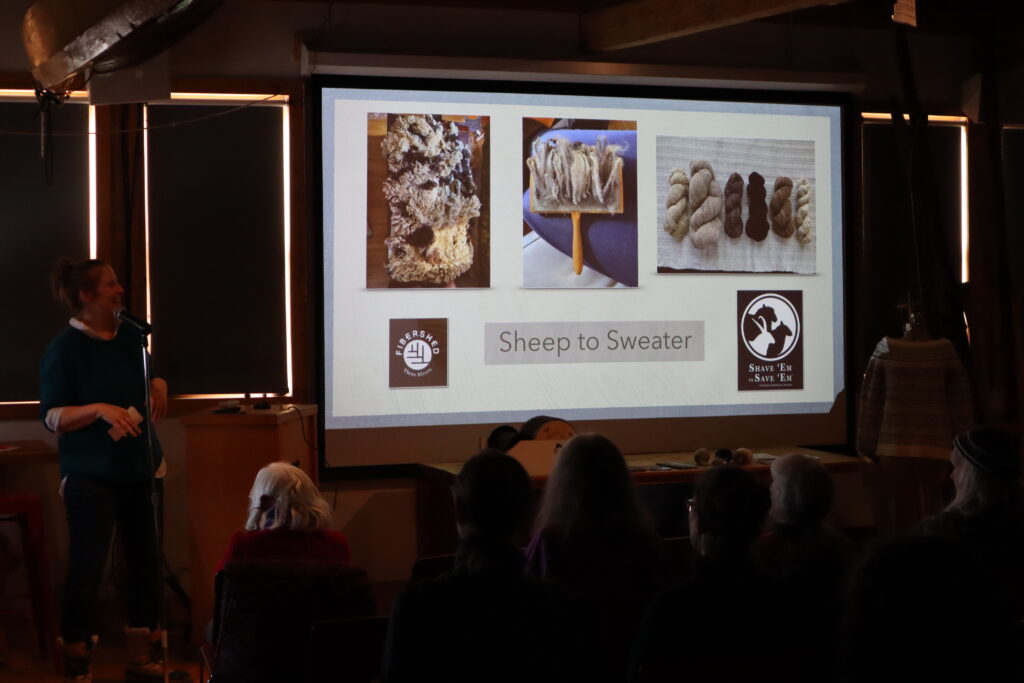
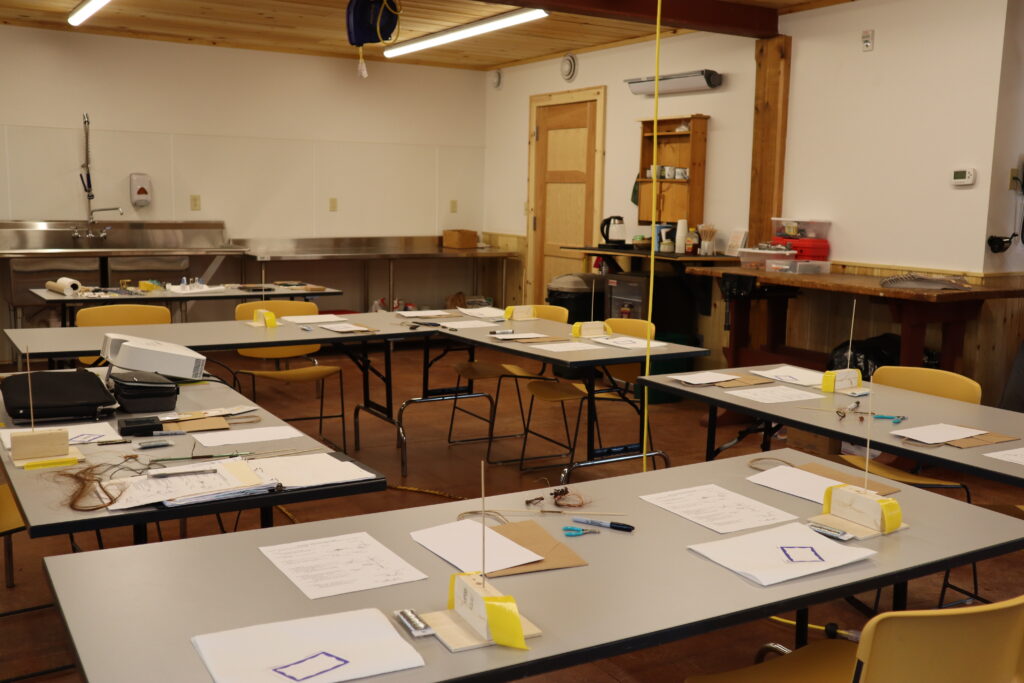
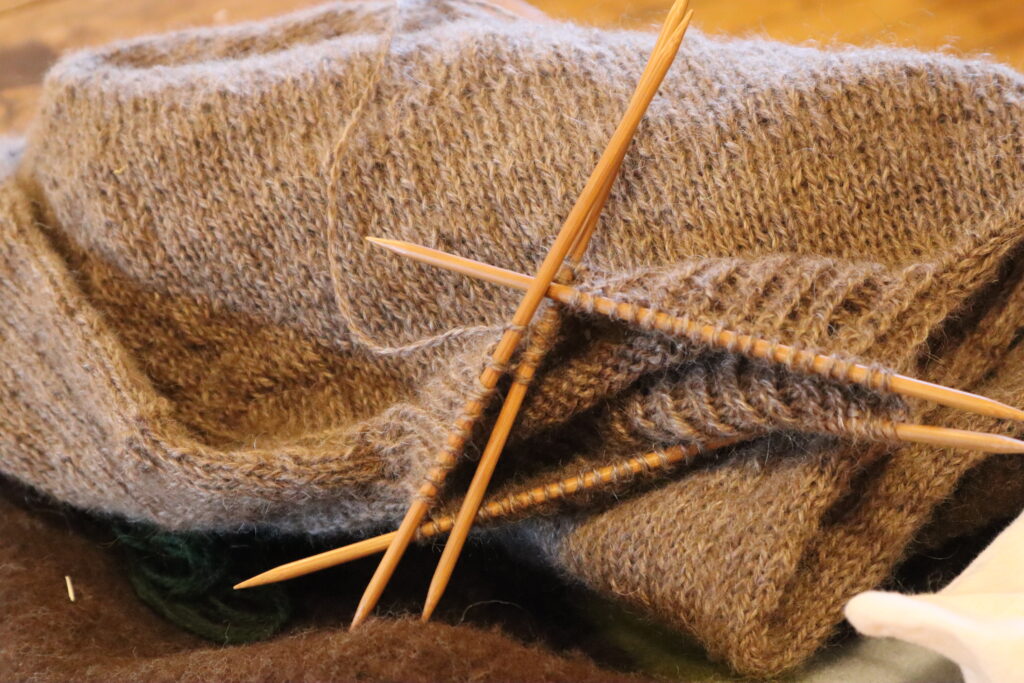
Hosting over 3,000 students annually, the school puts on hundreds of classes. Learners make clothing, baskets, and bread, and work with leather, wood, and beads. Some even participate as resident artisans, interns, and work-study learners, creating with others from across the Midwest, country, and even world.
JESSA FROST, NORTH HOUSE FOLK SCHOOL“I really love it when people are connected to folks that they would not have met, and they may not share other things in common with—other than this shared interest in learning to build a door, or whatever it is.”
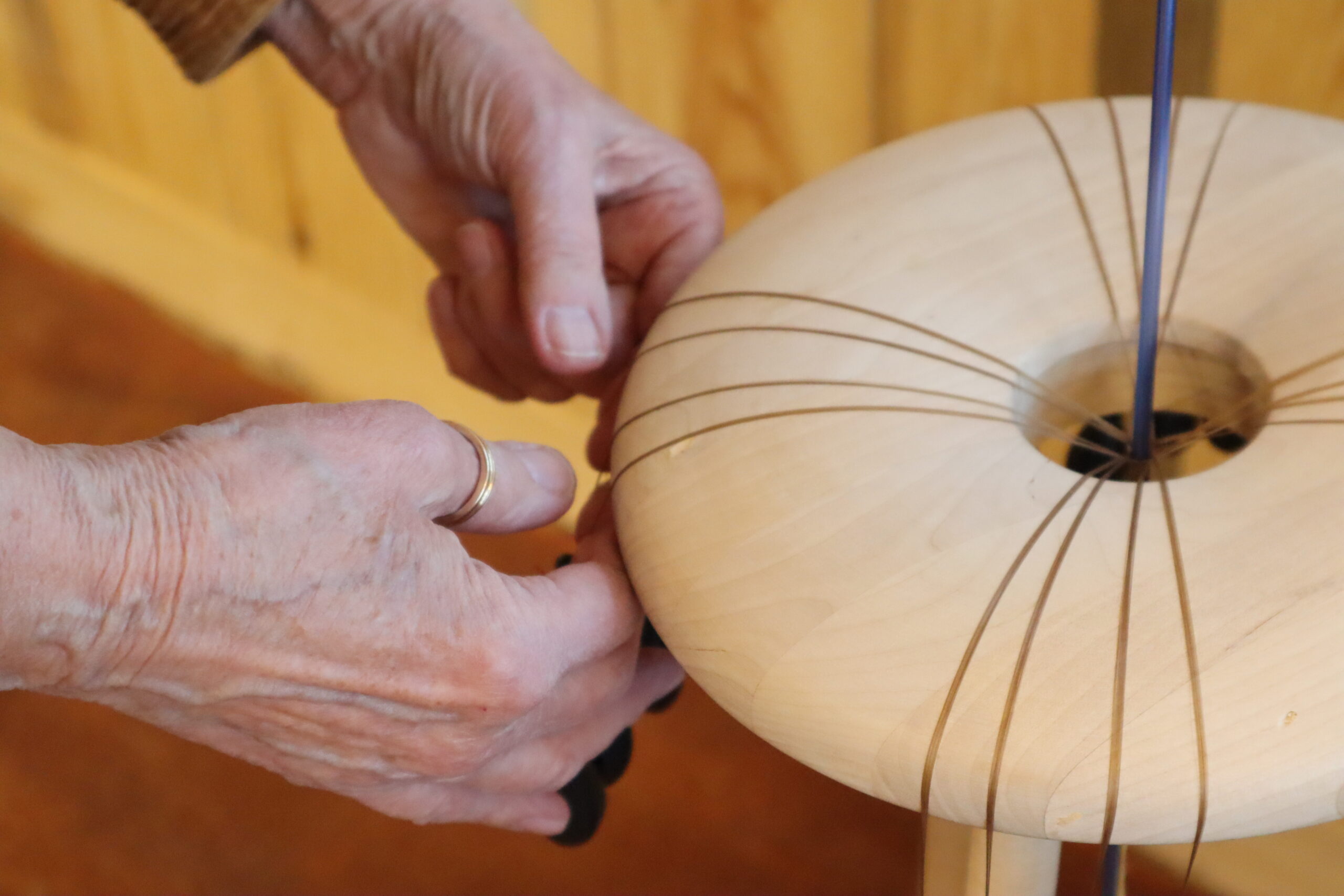
She sees how craft can bridge differences, as well as gaps in traditional knowledge.
“And that is the work of the folk school right now. I am really intrigued with this idea of folk schools as menders, right? Our society—and our traditions . . . a lot of things—have been torn and damaged,” Frost says.
Whether it’s learning ancestral recipes or about the plants we live with (and what we can do with them), that knowledge is “sacred work,” she says. It helps people care more about the land and where our creative resources come from. Even if that just starts as a three-day weekend course, she says.
“Bit by bit by bit by bit, just little pieces of it, are strengthened when eight people walk out of here knowing how to process flax, as opposed to one person who grew up on a farm in Sweden growing it,” Frost says.
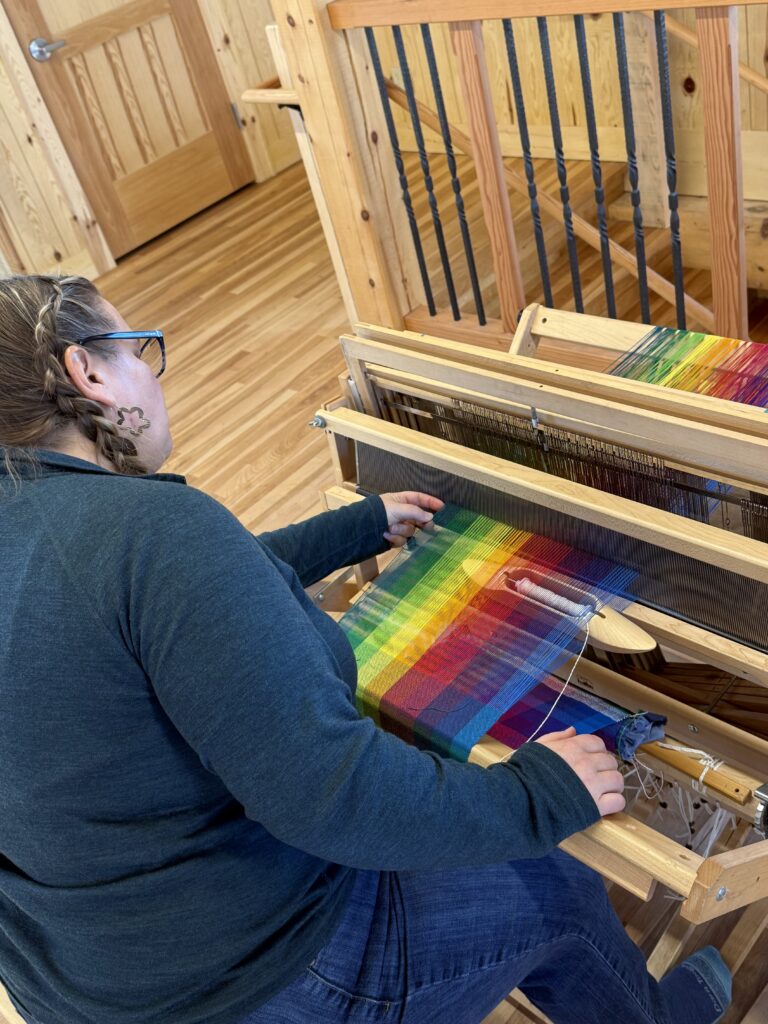
Danica Oudeans of Hortonville, Wisconsin, recently took her first classes at North House: Gamp weaving and yarn handspinning. The painter is experimenting with how fiber arts can play into her work, with increasing focus on the long story behind, say, a weaving.
“The history of people interacting either with animals or plants kind of builds that narrative into a useful object,” she says. “In my graduate work in painting, I did embroidery integrated into my paintings, but never really thought about the history of it at the time. I was only thinking about the pattern, but not the fibers.”
Those fibers—or whatever people are working with—hold not just narratives but wellbeing and meditation, Frost says.
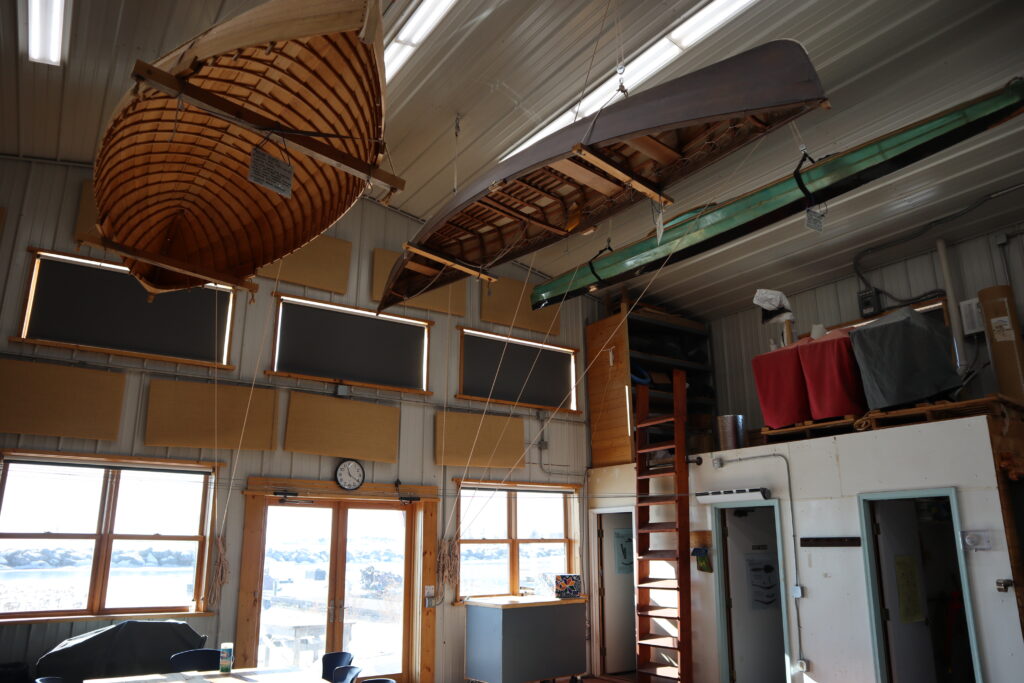
“When you strip everything away, craft and learning is a really powerful way to be connected to the land, to be connected to your community, to be connected to the things that you touch and see and surround yourself with,” Frost says.
And here at this folk school, artisans and craft appreciators alike are living that simple wisdom: Find what moors you, and knit—or weave, or hammer, or braid—yourself to it.