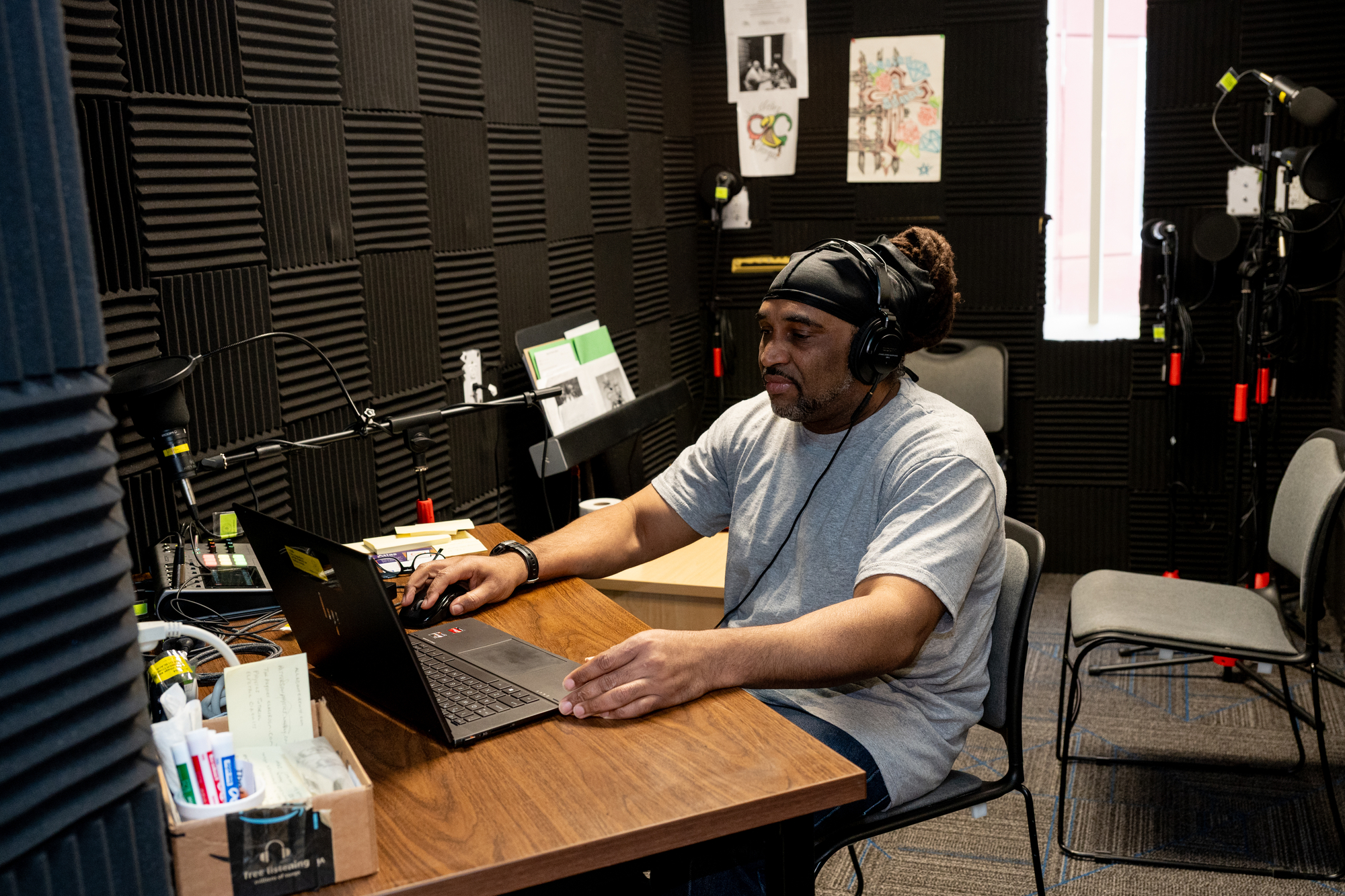
From a maximum-security prison cell in Bismarck, North Dakota, unheard stories are spreading hope and changing hearts . . . through a podcast.
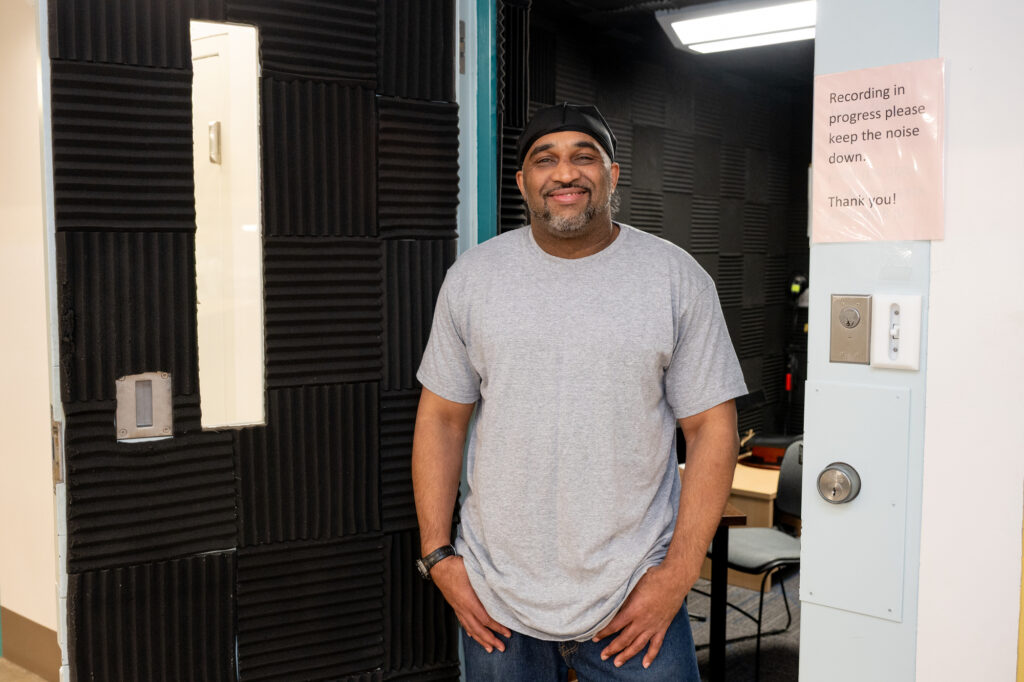
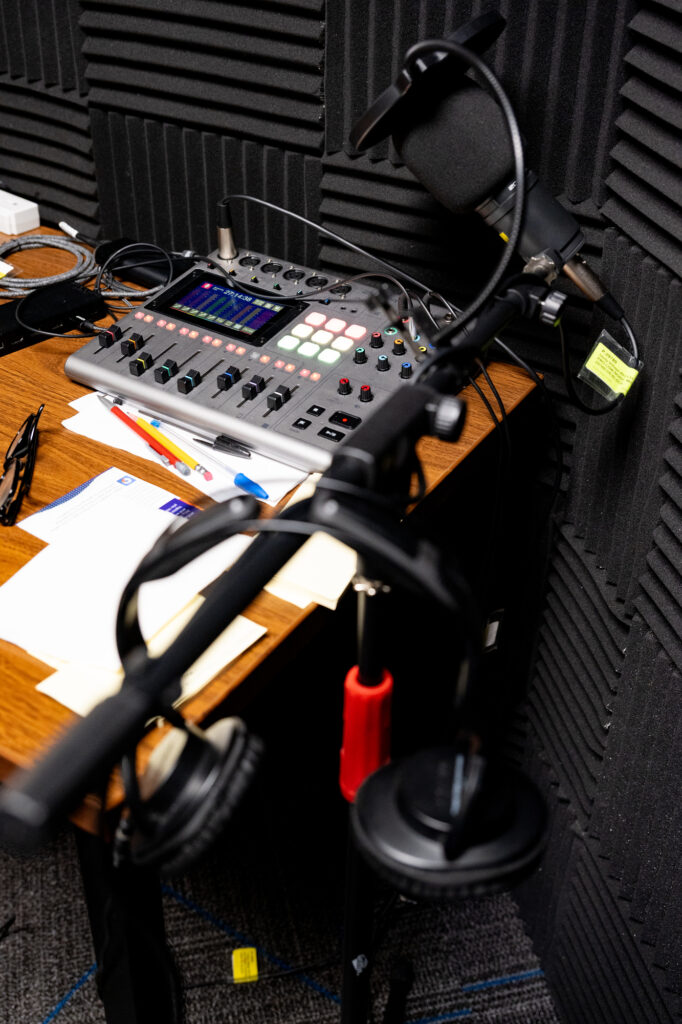
It’s called Chainz 2 Changed, the brainchild of Antonio Stridiron and Zach Schmidkunz. Both men are incarcerated at the North Dakota State Penitentiary (NDSP). They record the show in a refurbished cell, on donated equipment. And since its launch in August 2023, Chainz 2 Changed has been downloaded nearly 20,000 times in all 50 states, almost 40 countries, and other correctional facilities in North Dakota.
“The reason why we wanted to start a podcast is to get the world to know about the one thing that many of us try so hard to do, but never get recognized doing,” says Stridiron. “Changing, changing, changing.”
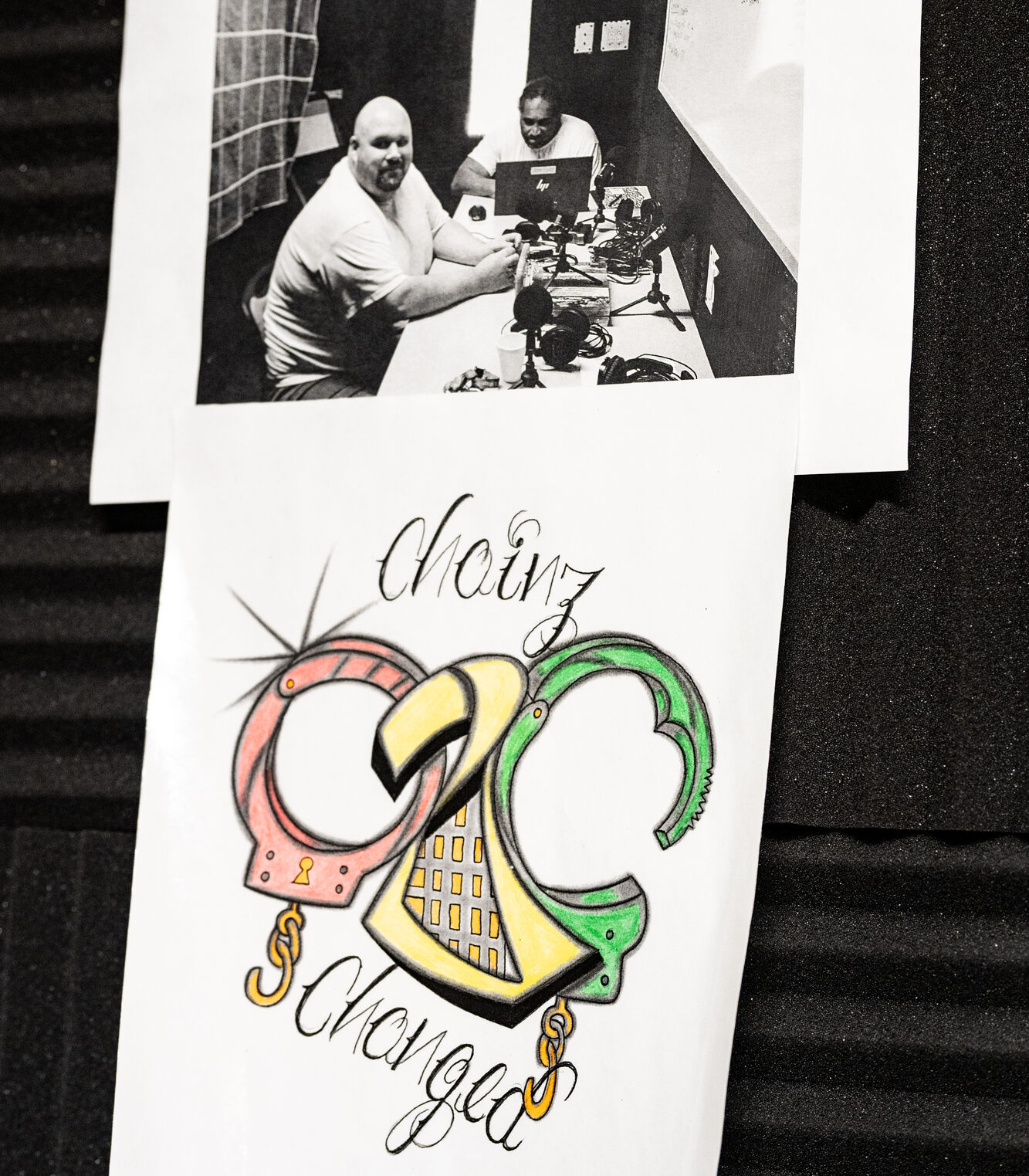
The idea sprang out of a visit several years ago from North Dakota legislators, touring NDSP before voting on an upcoming sentencing bill. They were deeply impacted by the residents, Stridiron remembers, who challenged their expectations of what incarcerated people were really like. But the legislators were unsure they could convince their constituents on the outside.
Stridiron saw this lack of understanding as a problem for everybody.
“Society, TV, the news, movies, they have a way that they portray people in prison, and people need to know that that’s not always true,” he says. “Who’s best to tell the truth [apart] from the people who’s actually doing it?”
Another resident suggested that Stridiron start a podcast. But without equipment or internet access, the idea stalled. Until he brought it up to Schmidkunz.
By then, both men were living in NDSP’s U.N.I.T.Y. Village, where mentors serving long sentences provide guidance to younger residents. There was more space, and more trust. So Schmidkunz wrote to the North Dakota Council on the Arts and Prairie Public Broadcasting for advice. Almost immediately, both organizations—plus the North Dakota Department of Corrections and Rehabilitation—offered equipment, support, and training.
“Let’s work on getting rid of the stereotype that we are only what we did,” said Schmidkunz in their first episode. “Because most of us in prison are going to be out soon. And we’re going to be everybody’s neighbors.”
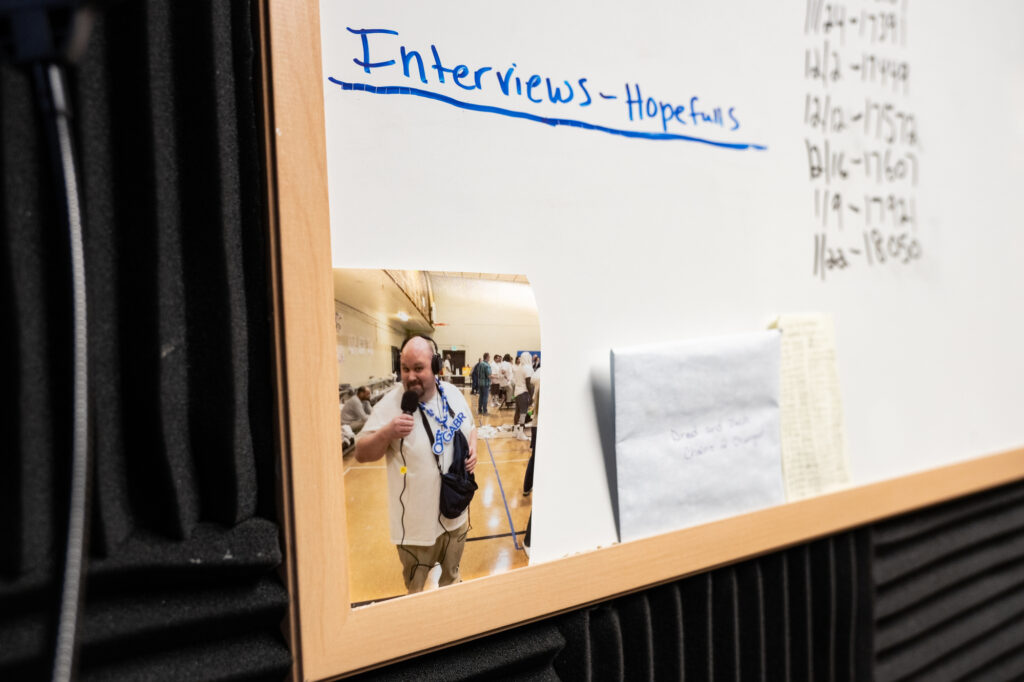
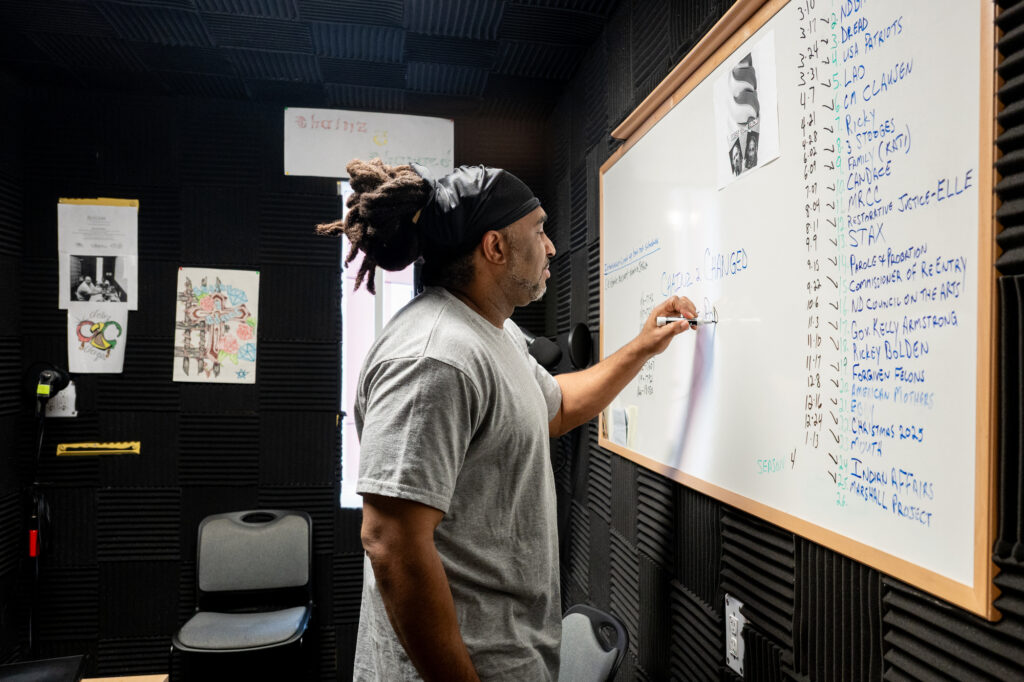
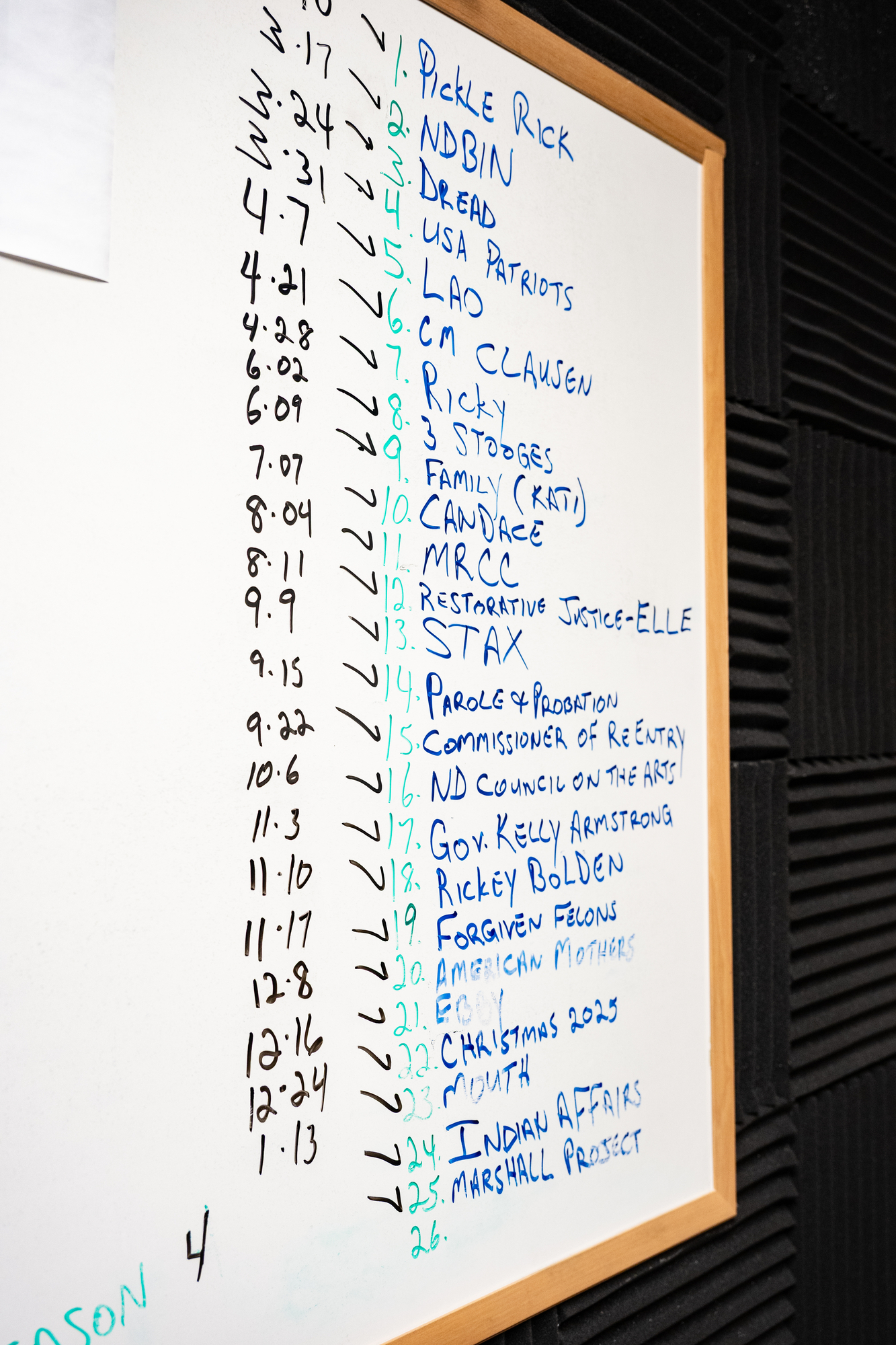
Today, Chainz 2 Changed releases two to four episodes a month. The topics vary, along with the guests. They’ve talked recidivism and changemaking with fellow residents, hip-hop and healing with former police officers, even legislation on reentry and recovery . . . with the North Dakota Governor himself.
“That was one of the main goals, because he’s one of the main ones who can actually make changes,” says Stridiron. “So to get him and get his point of view, and where his mind is on making second chances and changes in the system, it’s very mind-blowing.”
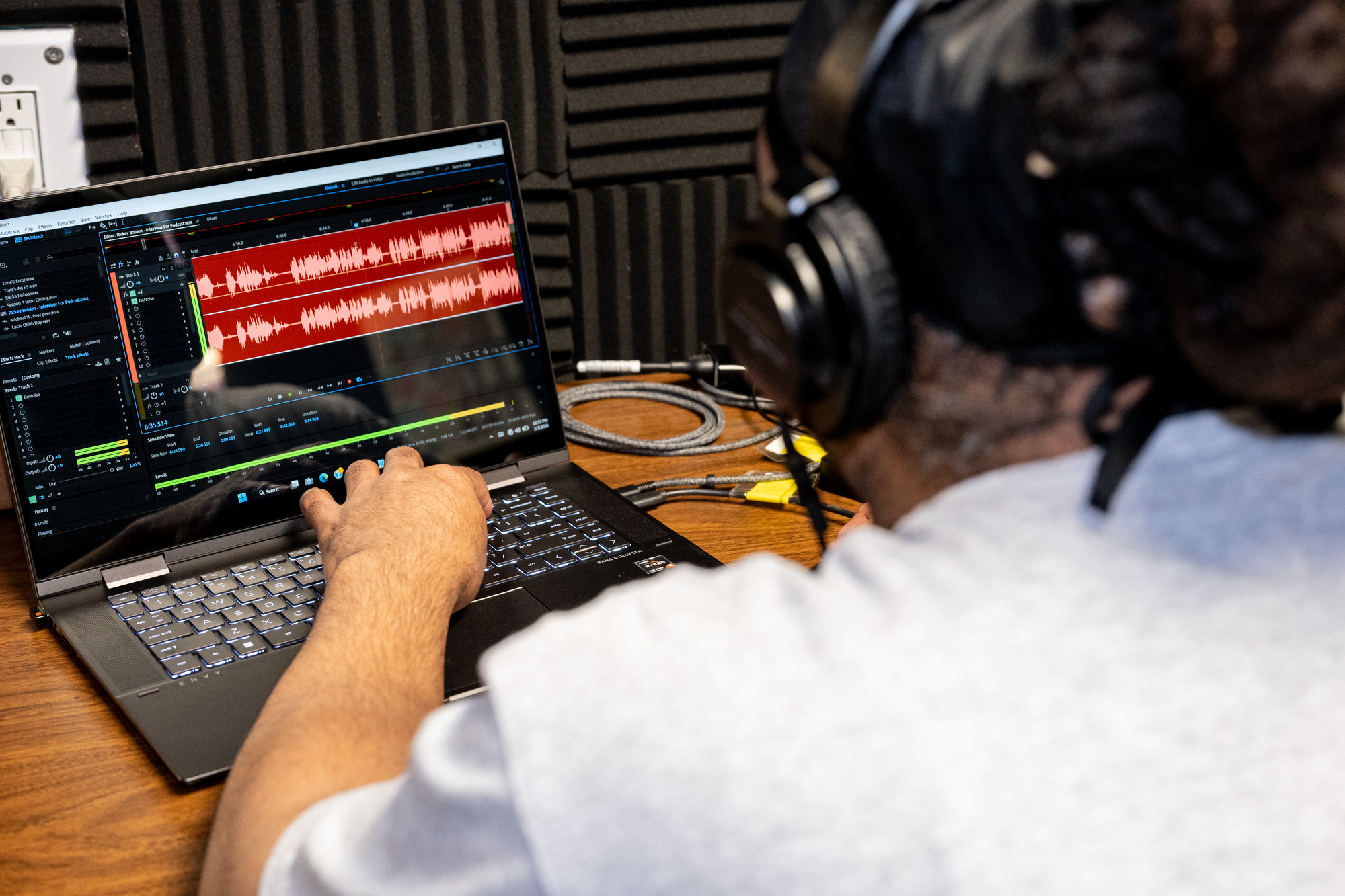
Above all, Chainz 2 Changed aims to spread a key truth: that incarcerated people can—and do—change their lives and communities.
“People just have this perception, this negative ideology of what prison is,” says Stridiron. “To hear that we are making a type of impact on the outside community, when we’re the ones locked up, makes a big difference.”
Start Listening Here
Here are a handful of episodes suggested by podcast co-producer and co-host Antonio “Dread” Stridiron. “I’ll say they’re not for everyone . . . Honestly, though, every episode is impactful,” he says. “When you hear what these guys have been through—what they’ve survived, what they’ve held inside, and how they’re still pushing forward—it’s amazing. The resilience is incredible.”
Hello World, we are the Chainz 2 Changed Podcast!
Start here if you’re curious about learning more about the Chainz 2 Changed podcast from co-hosts and co-producers Antonio Stridiron and Zach Schmidkunz. Aired on August 14, 2023.
Enough is enough for Ninja Lee! (Part 1)
David Lee was put in adult prison at the age of 15. Dave shares with Zach his journey of going to adult prison as a juvenile, to picking up a life sentence while in prison and spending more than twenty years in administrative segregation, to wanting to help people change their own lives. This episode brings about the question of: how much time is considered enough time for a person to be considered rehabilitated? Aired on October 2, 2023
The Legend of Pickle Rick
In this episode, mentor Rick Whitman hops into the booth with his sidekick “G” to share his journey. This is a special episode to many, and as you will learn about Rick, he is a very special guy. Take notice world, we can all learn a little something about perseverance from Rick. Aired on March 10, 2025
“There are actually two episodes with him . . . the second episode, Pickle Rick Never Quit, was recorded about a week after he got news from his doctor that he only had about a month left to live,” shares Stridiron. “In that episode, he wanted to thank everyone who helped him. Even while dealing with everything he was going through—the adversity, the reality of his diagnosis—all he focused on was helping others.” Whitman passed away two days after this episode aired, but not without listening to it and mentees having an opportunity to thank him.
Shining Light Pt. 3 Ms. Naomi Spreads HOPE In N.D.S.P.!!!
Ms. Naomi stops in the booth to share her story of being incarcerated for 37 years, getting her sentence commuted, and now spreading HOPE to everyone she comes in contact with!! Aired on February 12, 2024
“She’s someone who gave me hope when I was struggling,” says Stridiron of his guest, who was hired by the state to help others with commutations.
Dr. Bruce Perry Examines The Hosts!!!
Dr. Perry visits with the Hosts over Zoom to talk about childhood trauma and how it’s connected to folks that are Incarcerated! Also why U.N.I.T.Y. Village is a GREAT way to help the young adults HEAL from Trauma! Aired on August 19, 2024
“That episode really helps the guys in the unit, because it explains a lot of what they’ve experienced—things that happened to them that they weren’t aware were still affecting them, or things they’ve bottled up and carried with them into their daily lives,” shares the podcast co-host. “It helps them understand that they’re not monsters, but people shaped by trauma.”