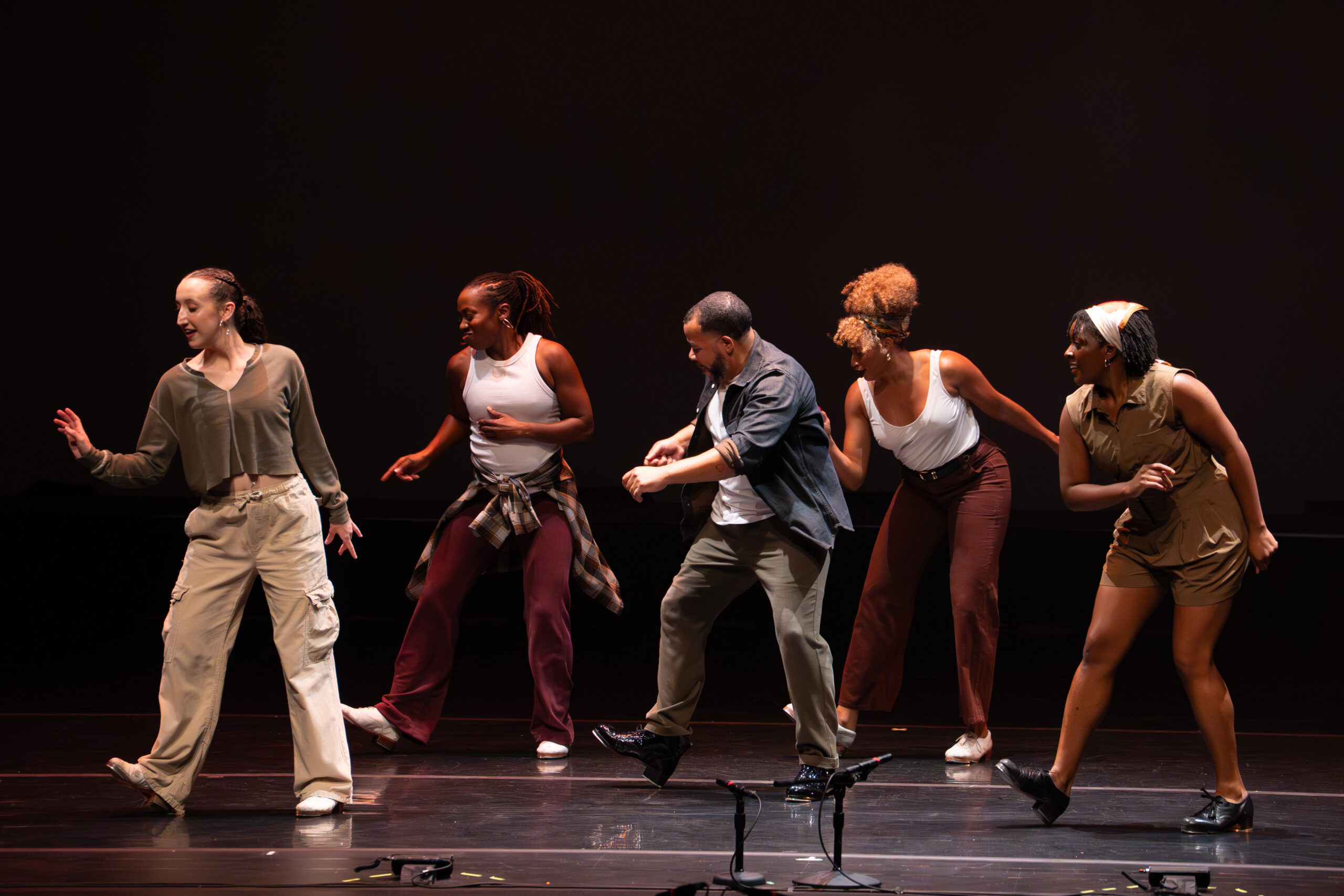
Stomp. Tap. Slap. Clap.
In percussive dance, the body is the instrument. From tap dance and body percussion to sand dance and stepping, it is a multi-sensory medium of encounter: between body and body, movement and sound, past and present.
“The lineage of percussive dance is American history, and the Black experience,” says Ryan K. Johnson, MFA, one of the nation’s foremost percussive dancers and a 2025 Midwest Culture Bearer awardee.
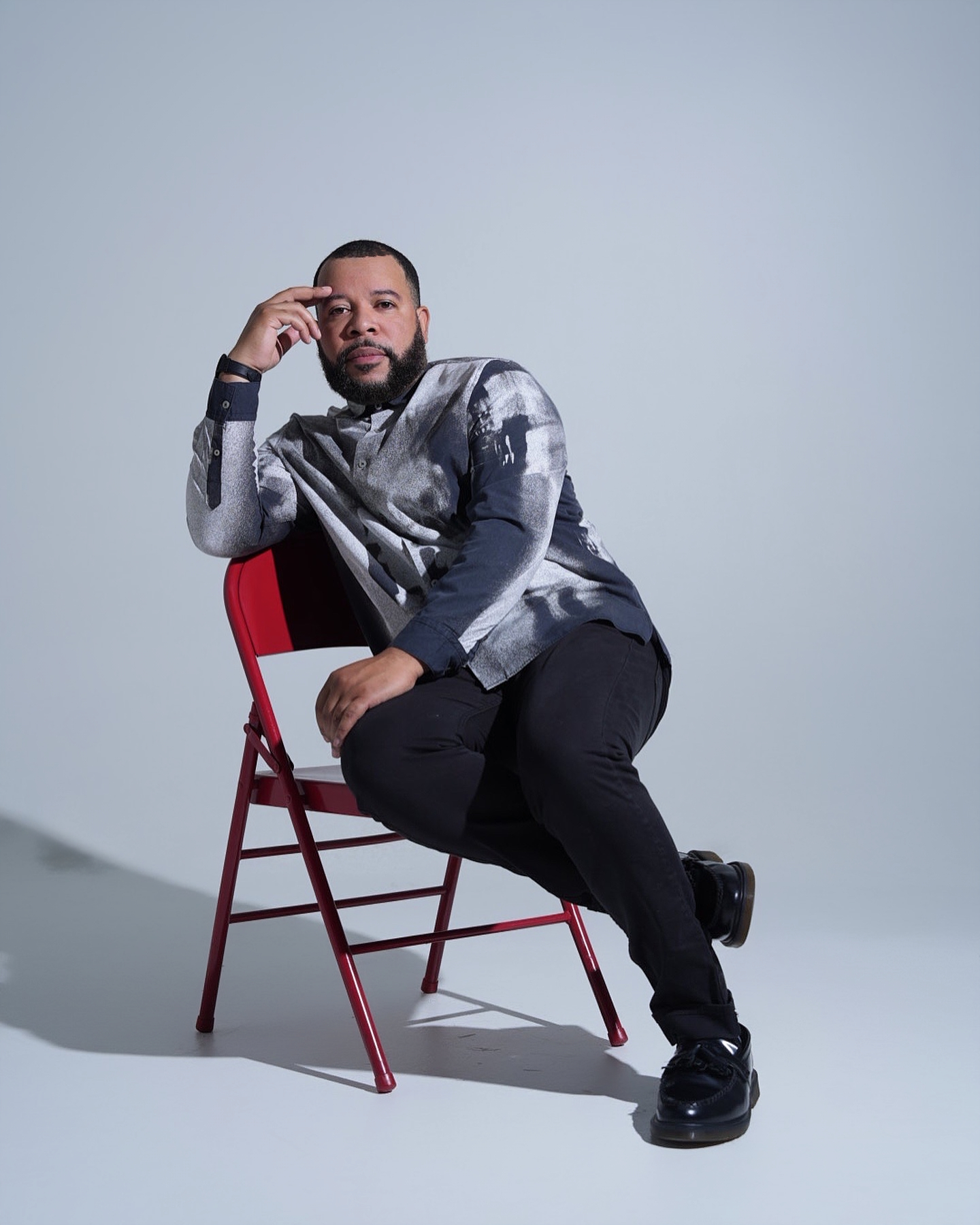
Growing up in Baltimore with his mother, a dancer herself, Johnson took his first tap class because he needed “something to do with all my energy.”
His teacher, Mary Slater, saw his potential and began exposing him to the work of other Black male dancers.
“If I didn’t see these men who look like me doing these [dance] forms, I’m not sure I would have jumped into it as quickly as I did,” Johnson says.
Decades later, his multidisciplinary work involves much more than tap. It uplifts the lives, legacies, and creativity of Black people, tracing histories from the realities of enslavement—when drums were outlawed, and thus the body became the drum—through the advent of jazz, the civil rights movements, and beyond.
Johnson’s credits include iconic companies like STOMP, Step Afrika!, Cirque du Soleil, the Kennedy Center, and the Washington Ballet. He made history as the first African American percussive dancer to win a Guggenheim Fellowship in Choreography in 2024.
Johnson feels a deep responsibility to the stewards of dance—past, present, future—constantly asking “what do I have to do today to ensure that these forms aren’t just looked at as a novelty act? [How do I] get these forms into academia, into concert and commercial dance, into K-12 curricula as a tool for learning and teaching?”
RYAN K. JOHNSON“[I try to] create a learning environment that allows students to breathe, a space for them to investigate their creativity and connection to the movement in a lens of cultural competency and joy.”


His pursuit of percussive dance scholarship brought him to the Midwest. Completing his post-MFA fellowship at Ohio State University, Johnson has cultivated a rich artistic community in Columbus. Regular collaborators include the Lincoln Theatre, a landmark African American arts institution, and the Wexner Center for the Arts, where he premiered his latest show, ZAZ.
“[These organizations] have become pillars for me,” says Johnson. “Columbus has a lot to offer.”
Featuring dance, song, rap, and immersive technology, ZAZ is a 4-D storytelling experience sharing the oral histories of Hurricane Katrina survivors. It was created and performed through SOLE Defined, the company Johnson co-founded with choreographer Quynn Johnson.
As the company brings percussive dance works nationwide, it fulfills Johnson’s mission to reach the next generation.
“Dance education needs reform to support the dance continuum beyond Eurocentric forms,” he says. “There’s so much we can learn from percussive dance. It’s time for [it] to have tenure tracks, longevity, and more funding.”
Johnson knows the impact of percussive dance on audiences and participants of all ages. Its physical rigor is great for the body. Its emphasis on rhythm and counting beats supports mathematics for youth, memory and attention for the elderly.
But Johnson also sees the impact this powerful form has always had: “an immediate liberation of spirit.”
“Sometimes in other forms, [students] are not allowed to be as expressive or as open,” he says. “Sometimes we forget that even in learning there should be joy.”