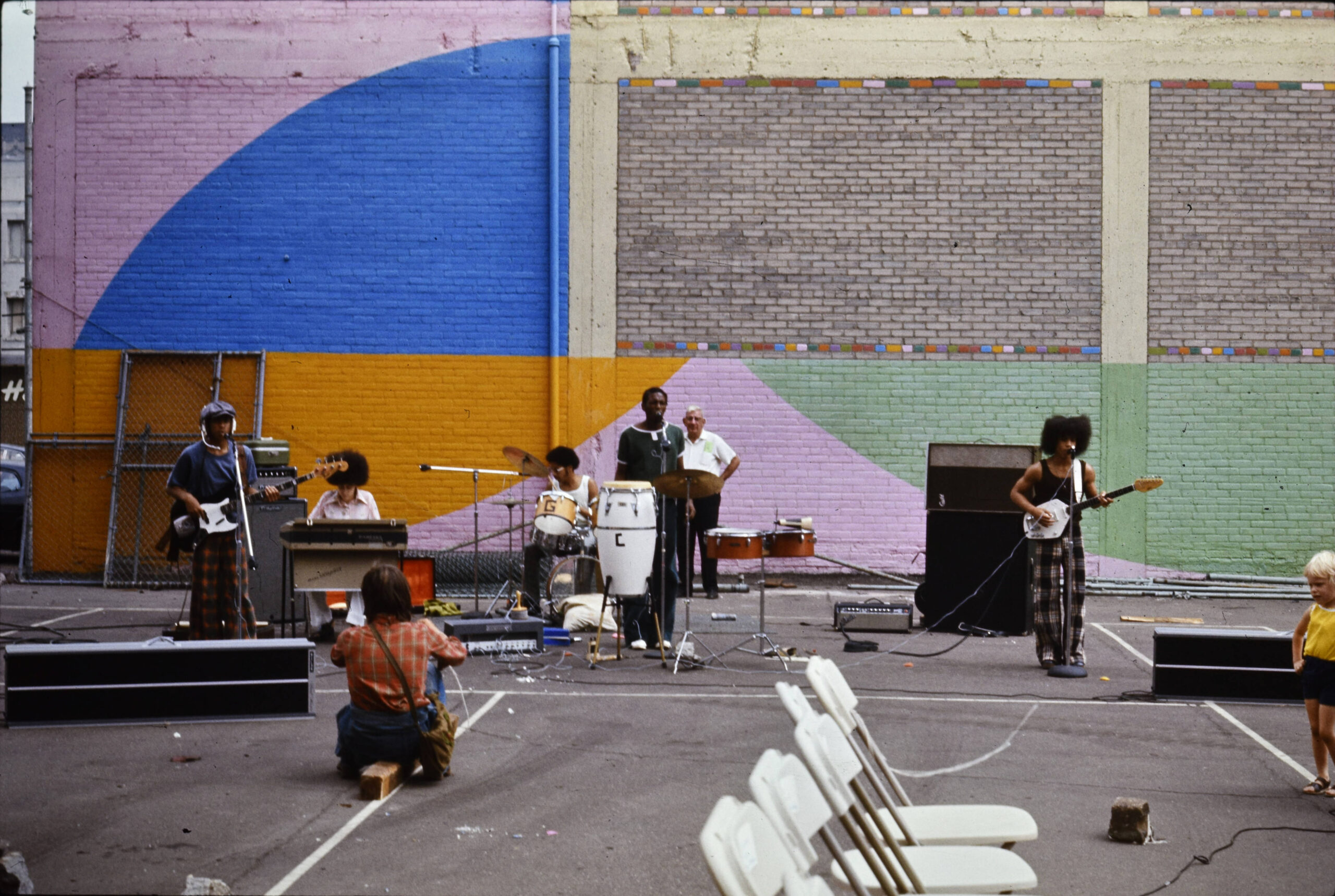
The Minneapolis Sound had been dominating airwaves for years before anyone thought to give it a name.
“It wasn’t right away,” remembers keyboardist Matt Fink, known as “Dr. Fink” in The Revolution — Prince’s band in the Purple Rain era. “Once Purple Rain made Prince an international superstar, that’s when I think the phrase was coined.”
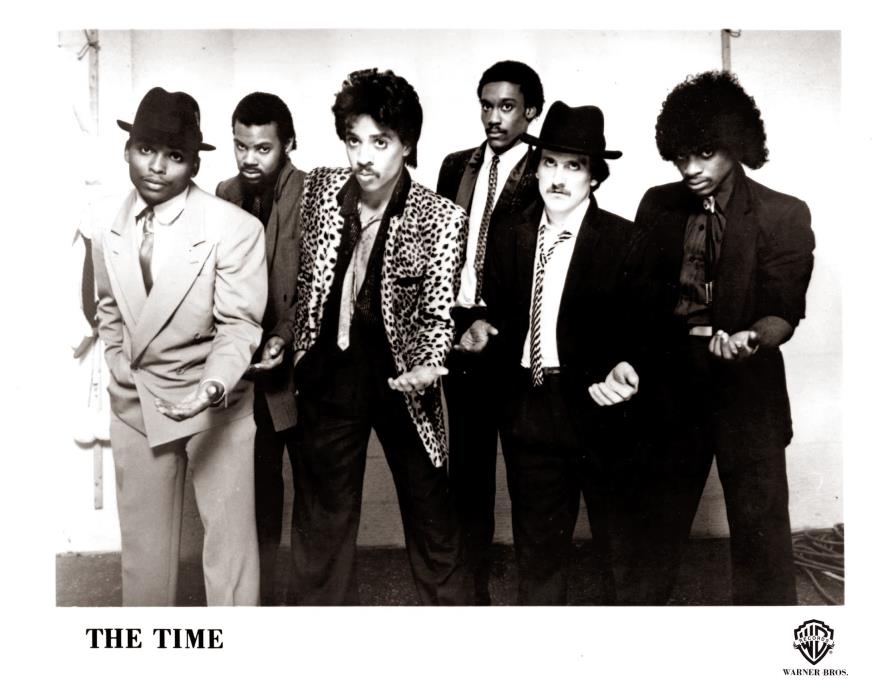
Prince was the key figure shaping the Minneapolis Sound, but there’s a reason it wasn’t just called “the Prince Sound.” In addition to Prince and artists working directly with him (The Time, Sheila E., Vanity 6), the term encompassed music by Minneapolis artists like hitmaking production duo Jimmy Jam and Terry Lewis.
“I always find that so fascinating that it developed that way in Minneapolis,” says Minneapolis music writer Ali Elabbady. “For that sound to define the future of pop, R&B, funk, and even to an extent hip-hop.”
What Did it Sound Like?
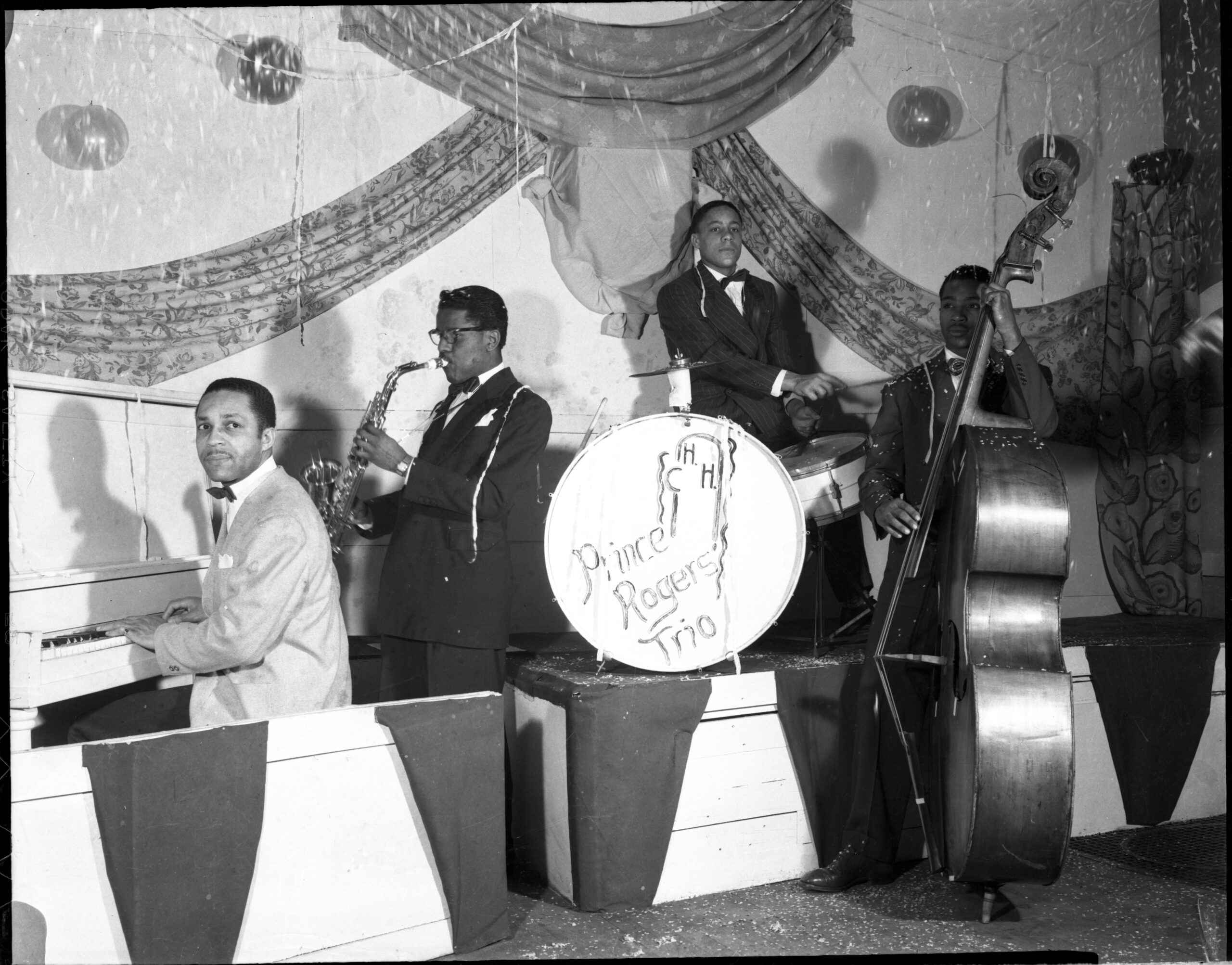
The Minneapolis Sound grew out of a scene that had long been rich in Black music. To name just two, the fathers of both Prince (John L. Nelson) and Jimmy Jam (Cornbread Harris) were musicians who inspired the next generation.
It was rooted in funk and R&B, but incorporated prominent rock elements like showy guitar solos. The drums were crisp and machine-like, while pealing synths often took the place of a horn section.
“Prince was thinking, ‘Let’s make the keyboards not necessarily sound like horns, but imply that it’s a horn punch,’” explains Fink. “That was innovative.”
The effect, in songs like Prince’s “Let’s Go Crazy” and The Time’s “Jungle Love,” was music that rocked your body like classic funk but had an electronic texture that sounded like the future. The music also had a rock punch that begged listeners to crank the volume.
Prince inspired Minneapolis musicians “to build upon funk like Rick James, but to also give a nod to so many styles of R&B that came prior,” says Elabbady. “To crystallize [that music] and totally reshape it.”
Jam and Lewis, who were rivals with Prince in their early years and later became his collaborators, produced a staggering string of hits at Flyte Tyme Studios in Minneapolis. Most notably, they collaborated with Janet Jackson throughout her rise to superstardom.



All Roads Lead to …
“Minneapolis!” cried Jackson in “Escapade,” one of four chart-toppers on her 1989 album Rhythm Nation 1814.
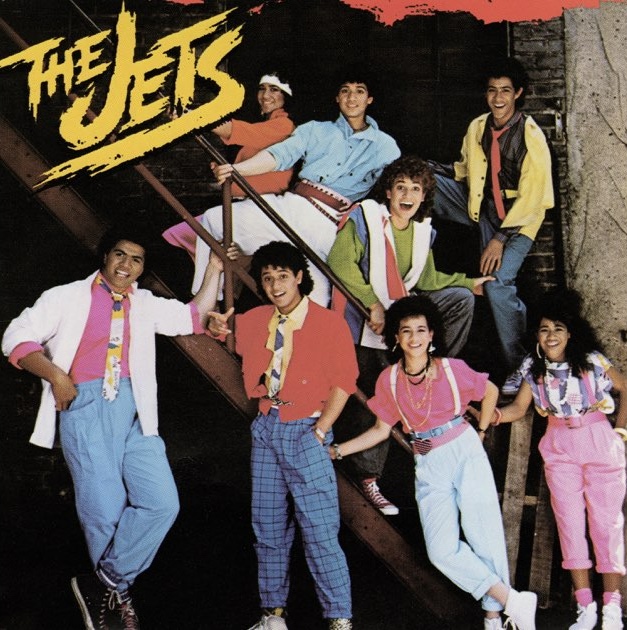
“Prince laid the foundation,” says Elabbady, “but acts like the Jets, André Cymone, and others would build upon it.”
By the 1990s, Prince himself had moved on to new collaborators and new sounds. The larger music landscape was also evolving.
“Things shifted considerably as the grunge movement started in the early ’90s,” says Fink. “Synthesizers died for a while in the music industry.”
Ironically, the grunge movement was also inspired by the Minneapolis scene: scrappy Twin Cities bands like the Replacements and Hüsker Dü were seminal influences on bands like Nirvana.
“It’s not fair that you would just define the Minneapolis Sound as coming from Prince,” says Fink. “What should really be looked at is all the artists that were popular out of Minneapolis, Minnesota at the time.”