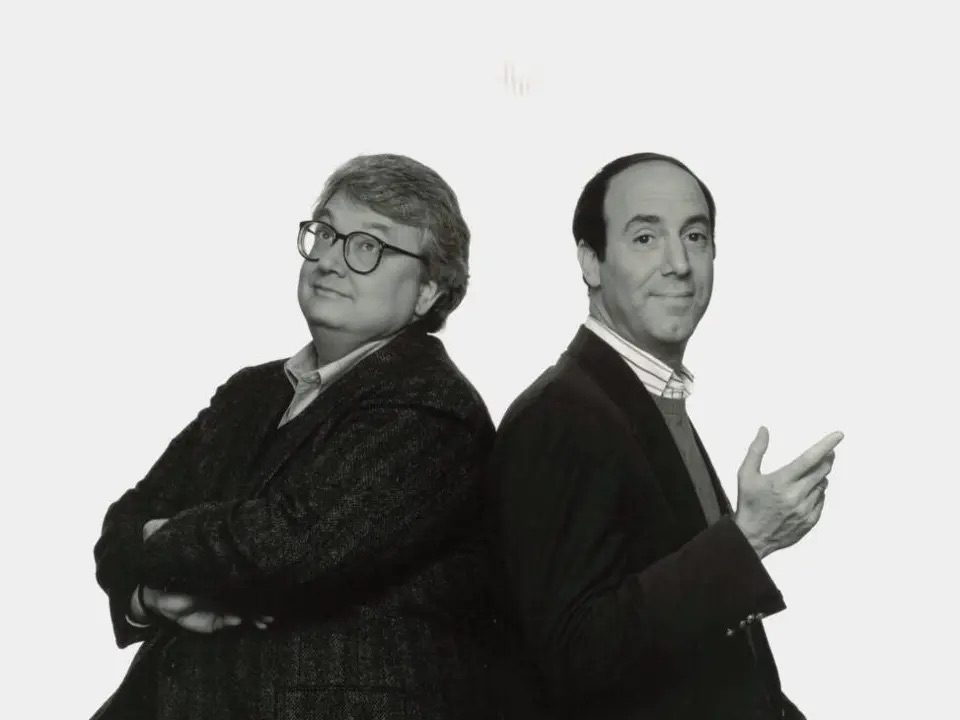
At the beginning of a typical 1980s episode of At the Movies, the critics hosting the nationally syndicated program made clear that they were sitting in the Windy City.
“Across the aisle from me is Gene Siskel, film critic for the Chicago Tribune,” said Roger Ebert.
“And across the aisle from me,” Siskel added, “Roger Ebert, film critic at the Chicago Sun-Times.”
Together, the two men made it mainstream to think deeply about the silver screen. Both were born in Illinois and spent their careers there. (Siskel died in 1999, Ebert in 2013.)

Ebert, however, also remained closely tied to his childhood community of Champaign-Urbana.
“He loved the community,” says Nate Kohn, longtime director of the Ebertfest film festival (more on that later). “He had a photographic memory. He remembered everything from his childhood.”
A 1960 graduate of Urbana High School, Ebert matriculated at the University of Illinois Urbana-Champaign. Writing for The Daily Illini, he launched a journalism career that brought him to the Sun-Times shortly after college.
Today, the University of Illinois is home to the Roger Ebert Center for Film Studies, founded in 2022 on the basis of gifts including a donation from Roger Ebert and his wife Chaz. The center hosts a screening series and film symposia, as well as awarding grants and supporting fellowships.
Ebert “was someone who was really invested in not just reviewing films, but educating the public about how films work,” says Julie Turnock, director of the center. “It’s more important than ever not to just teach students the tools of filmmaking, but make them understand what those moving images mean.”


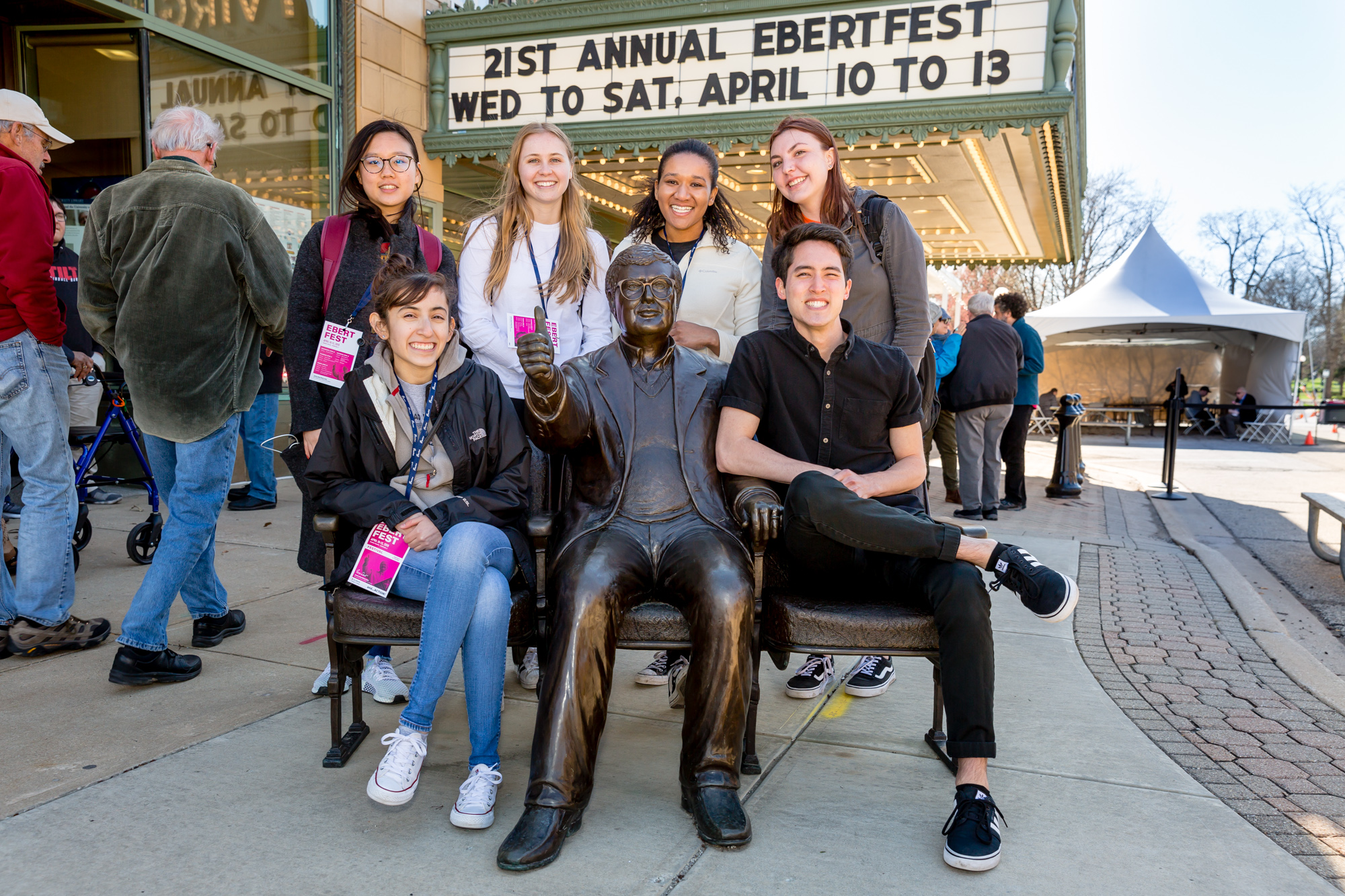
Ebertfest also sprang out of the University of Illinois, its genesis dating to 1997 — when Ebert accepted an invitation to host a birthday celebration for HAL 9000. (Yes, HAL, the 2001: A Space Odyssey computer, said onscreen to have been created in Urbana).
The festival highlights overlooked films and brings Hollywood talent to Champaign.
“The university looks upon Ebertfest as one of its crown jewels,” says Kohn. “They commissioned [with collaborators] a statue of Roger sitting in a movie theater seat that sits outside the Virginia Theatre now.”

The festival will return in April 2026 — but its future is uncertain after that. Organizers announced in September 2025 that the event is not sustainable “in its present form.” Chaz Ebert later shared news of “one last dance” in 2026.
Kohn says that whatever happens, the festival will not move from Illinois. “We’ve talked about maybe taking it to Chicago for a little while,” he says, “or else just letting it retire.”
Regardless, Roger Ebert’s gift to future cineastes will keep giving through the Ebert Center and other means — including rogerebert.com, a website now publishing criticism by the next generation of movie writers.
“It is rarer and rarer for people at all, but especially young people, to get together and see a movie in a theater,” says Turnock. “I feel confident that Roger Ebert would be extremely supportive of continuing that kind of experience.”