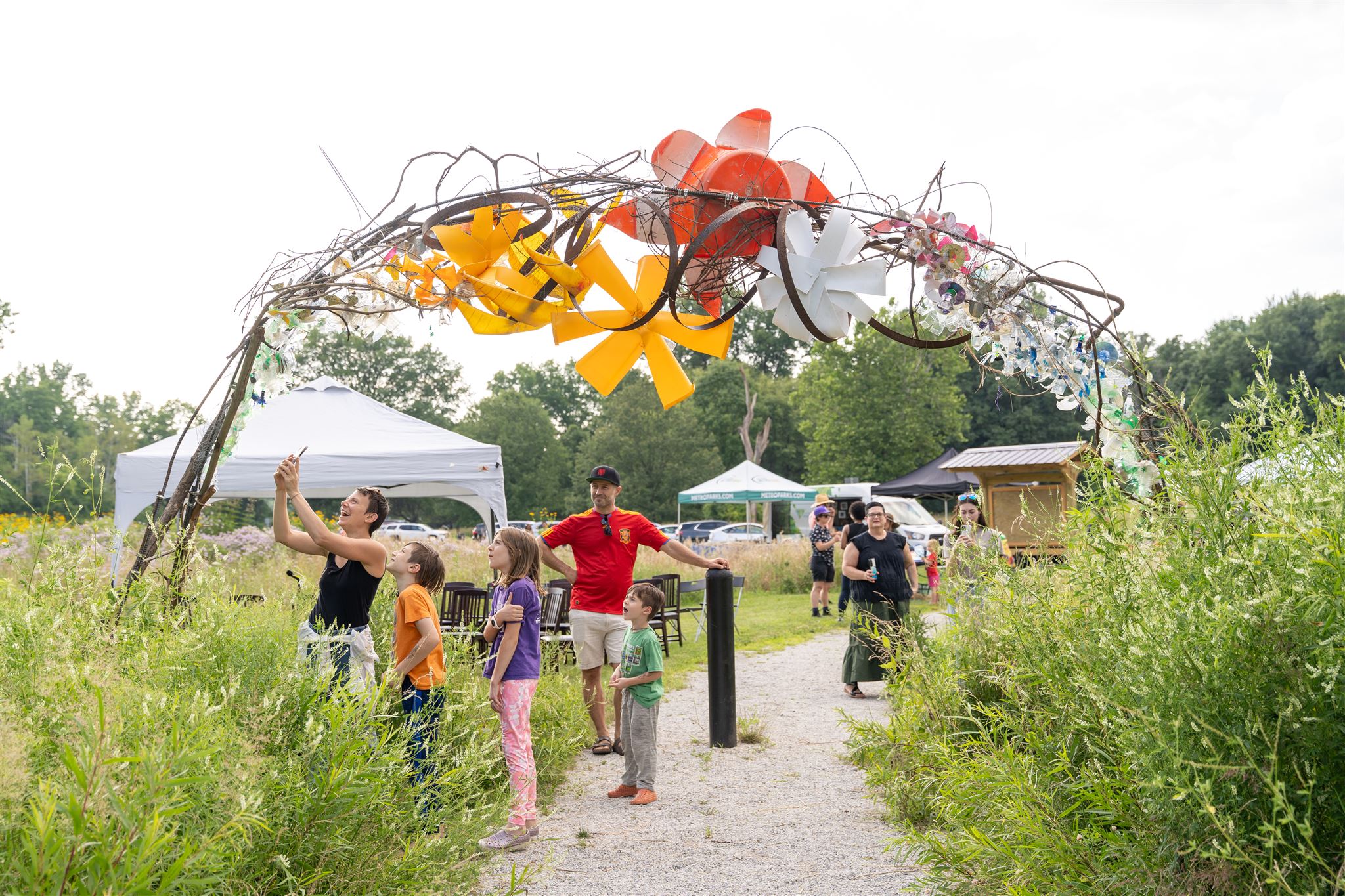
Art doesn’t just move us. It heals us.
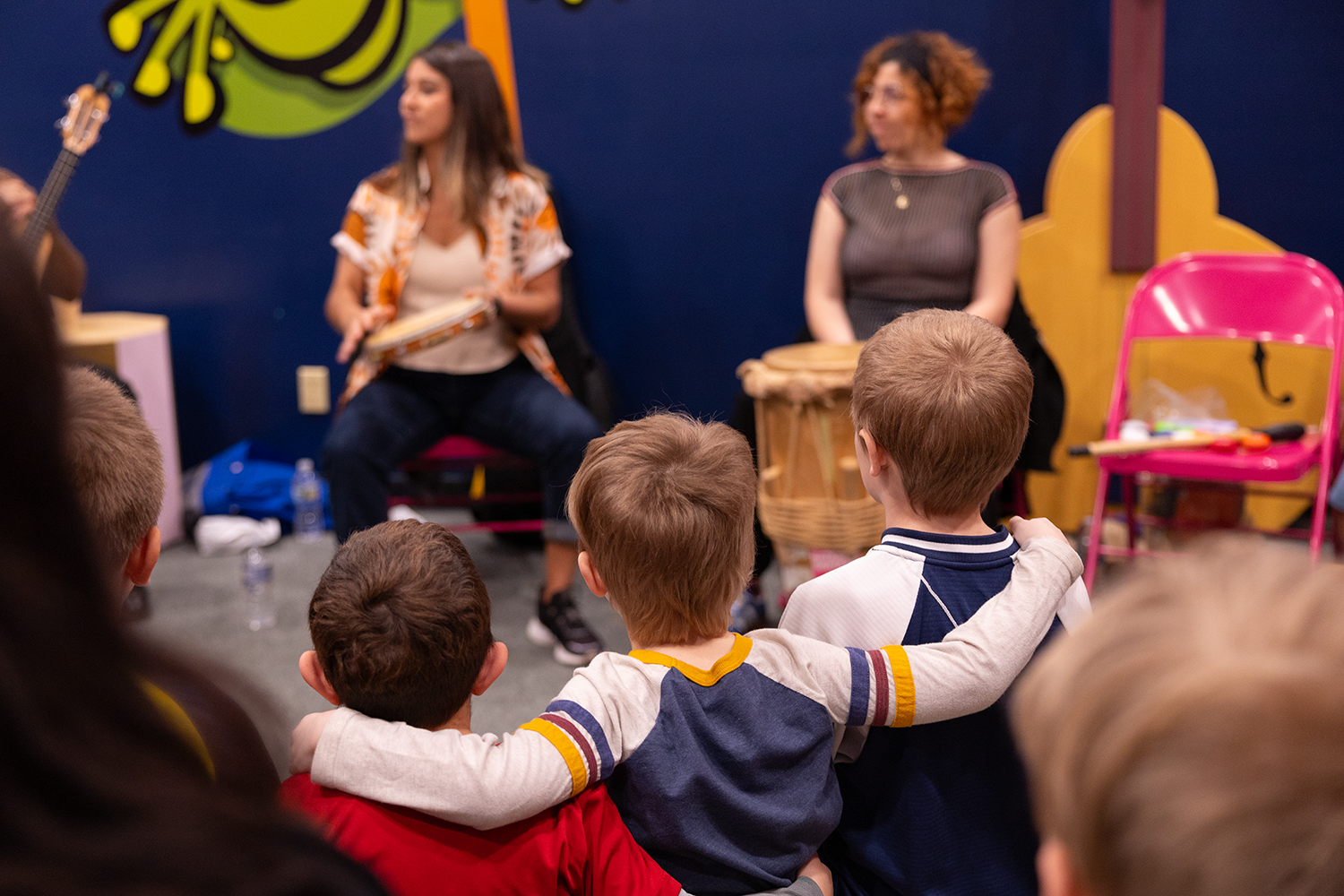
Engaging with music can reduce cortisol levels and even physical pain; it’s known to improve mood and attention retention. Dancing can relieve stress-induced muscle tension (more of that, please!)
Participating in the arts at large can lessen post-trauma hyperarousal, as well as depression, anxiety, grief, and agitation. And the arts are proven to increase resilience, pleasure, emotional regulation, hopefulness, and a sense of personal and cultural identity.
That’s all according to a 2019 World Health Organization report. It synthesized hundreds of studies to ask: What evidence shows art improves our health and wellbeing?
“Activities such as making and listening to music, dancing, art, and visiting cultural sites are all associated with stress management and prevention, including lower levels of biological stress in daily life and lower daily anxiety,” the report states.
ART THERAPIST CARA WELLVANG ON TRAUMA AND LOSS“It festers inside of you. So like getting it out and having a place to put it, I think that’s also kind of the power of art—is like moving through those emotions as opposed to staying stuck in it. And it’s not going to immediately solve it. But that’s how we all move collectively together.”
Cara Wellvang is an art therapist and the clinical program manager at the Institute for Therapy through the Arts in Chicago. In her practice, she sees people “freezing” when witnessing what’s around us—“constant daily traumas”—in our news cycles and neighborhoods.
“And I think it can feel disempowering to not know what you can do,” Wellvang says. “And so one of the things is breaking into a creative habit . . . and even like, you know, making art to understand our feelings or to regulate ourselves, can help us keep going. But also, it’s a powerful way of expressing emotions that sometimes you just don’t have words for.”
Making art—through art therapy or not—has been shown to help people heal from trauma, increase empathy and social connection, and promote cross-cultural understanding that can be key in divisive times, per a 2025 American Psychological Association study.
And even just viewing art, especially in-person originals, has serious perks—like fighting inflammation in the body, per a United Kingdom collegiate study.
Wellvang says art can help us integrate both sides of our brains, a key component of EMDR (Eye Movement Desensitization and Reprocessing) psychotherapy. Using your hands to make art mirrors EMDR where your eyes follow movement—left, right, left. Studies show this motion can alleviate post-traumatic stress disorder and helps our brain (and body) process emotions and memories.
Braiding or even something like bilateral drawing—where one moves both sides of their body—can be therapeutic, she shares. “Just like working through a traumatic experience (with EMDR) . . . (these motions help) your brain kind of like organize it.”
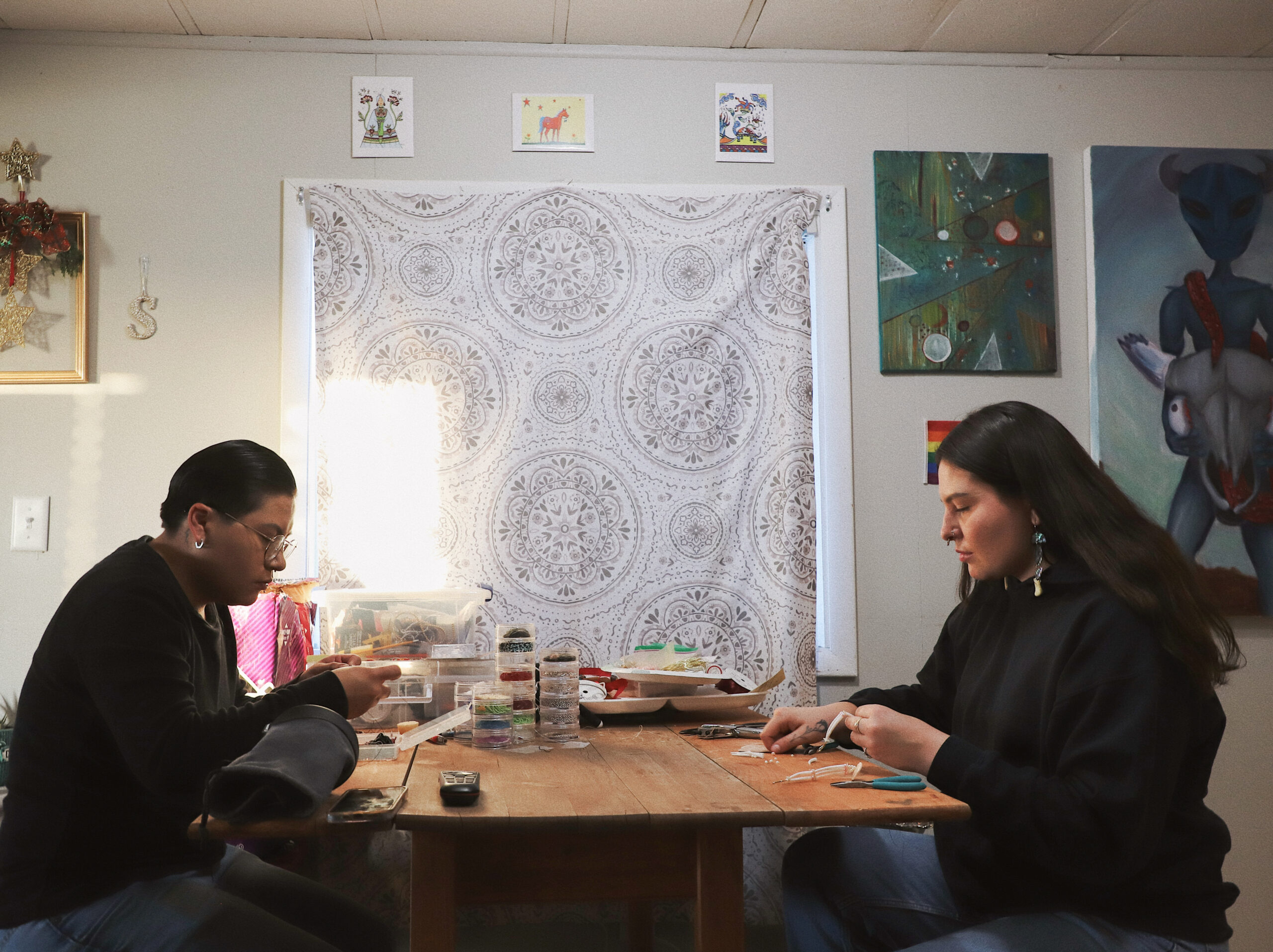
It can be simple, like dumping out beads and reorganizing them by color. And we know how to incorporate art into our lives, Wellvang says: We relied on creativity during the pandemic.
“That’s how we get through stuff,” she says.
So whether you’re watching your favorite TV show, learning to knit, or babying that sourdough starter, maybe it’s time to lean in. Because creativity can—and does—mean collective care.